Butternut Squash Soup Recipe + Preparation Tips
This site may contain links to affiliate websites, and we receive an affiliate commission for any purchases made by you on the affiliate website using such links.
Butternut squash soup is a classic fall dish that is both comforting and nutritious. This soup is easy to prepare and can be made in large batches for meal prepping or serving a crowd. It is also a great way to incorporate more vegetables into your diet and can be customized with a variety of spices and toppings.

To prepare butternut squash soup, start by peeling and cubing the squash. Roasting the squash with a drizzle of olive oil and salt enhances its natural sweetness and adds depth of flavor to the soup. Once the squash is roasted, it can be blended with vegetable broth and other seasonings such as garlic, ginger, and nutmeg. For a creamier texture, add a splash of heavy cream or coconut milk.
After preparing butternut squash soup, it can be stored in the refrigerator for up to five days or frozen for up to three months. To store in the refrigerator, transfer the soup to an airtight container and let it cool to room temperature before placing it in the fridge. To freeze, divide the soup into individual portions and store it in freezer-safe containers. When ready to eat, simply thaw the soup in the refrigerator overnight and reheat it on the stove or in the microwave.
Essentials of Butternut Squash Soup

Butternut squash soup is a delicious and nutritious dish that can be enjoyed all year round. Here are some essential tips for preparing and storing butternut squash soup:
Preparing Butternut Squash Soup
- Choose a ripe butternut squash: Look for a squash that is heavy for its size and has smooth, unblemished skin. A ripe squash should also have a deep orange color.
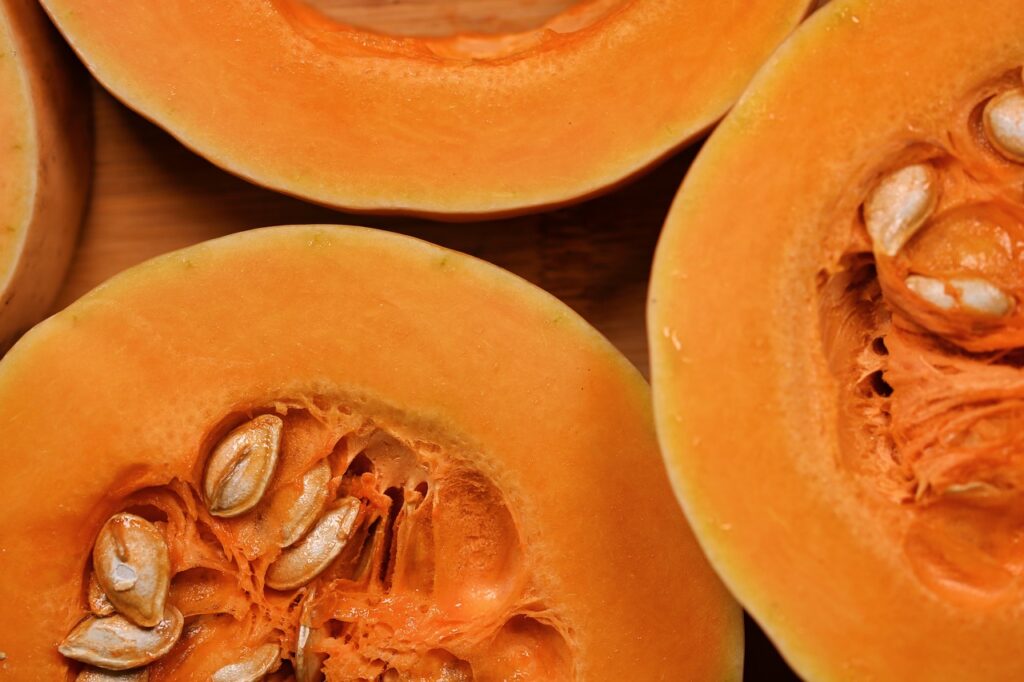
- Peel and cube the squash: Use a sharp knife or a vegetable peeler to remove the skin from the squash. Cut the squash in half lengthwise, scoop out the seeds, and then cut it into small cubes.
- Cook the squash: There are several ways to cook butternut squash, including roasting, boiling, or steaming. Roasting the squash in the oven will give it a caramelized flavor while boiling or steaming will result in a softer texture.
- Blend the soup: Once the squash is cooked, blend it in a blender or food processor until it is smooth. Add vegetable or chicken broth, cream, or other seasonings to taste.
Storing Butternut Squash Soup
- Refrigerate the soup: Allow the soup to cool to room temperature before storing it in an airtight container in the refrigerator. Butternut squash soup will be kept in the fridge for up to five days.
- Freeze the soup: If you want to store the soup for longer, you can freeze it in an airtight container or freezer bag. Butternut squash soup will be kept in the freezer for up to three months.
- Reheat the soup: To reheat the soup, simply transfer it to a pot and heat it over medium heat until it is hot. You can also reheat it in the microwave, stirring every 30 seconds until it is hot.
Overall, butternut squash soup is a delicious and healthy dish that can be enjoyed in many different ways. By following these essential tips for preparing and storing butternut squash soup, you can ensure that your soup is always fresh and delicious.
Preparation Tips

Selecting the Best Butternut Squash
When selecting a butternut squash, look for one that is heavy for its size and has a matte, tan skin without any bruises or soft spots. The stem should be intact and dry. Avoid squash with shiny skin or green spots, as this may indicate that it is not fully ripe.
Peeling and Cutting Techniques
Peeling a butternut squash can be a challenge due to its tough skin. To make it easier, cut off the top and bottom of the squash and stand it up on one of the cut ends. Use a sharp vegetable peeler to remove the skin in long strokes from top to bottom. Once the skin is removed, cut the squash in half lengthwise and scoop out the seeds with a spoon.
When cutting the squash into cubes, it’s important to make sure the pieces are roughly the same size so they cook evenly. Start by cutting the squash in half lengthwise, then cut each half into quarters. Cut each quarter into slices, then cut the slices into cubes.
Flavor Enhancement
Butternut squash has a naturally sweet, nutty flavor, but there are a few things you can do to enhance it even further. Roasting the squash before adding it to the soup will bring out its natural sweetness and add depth of flavor. You can also add spices like cinnamon, nutmeg, or cumin to the soup for a warming, aromatic touch. For a creamy texture, try adding a splash of heavy cream or coconut milk.
Cooking Process
Roasting the Squash
The first step in making butternut squash soup is to roast the squash. To do this, preheat the oven to 400°F and cut the squash in half lengthwise. Remove the seeds and place the halves cut-side down on a baking sheet. Roast the squash for 45-50 minutes, or until the flesh is tender and can be easily pierced with a fork.
Simmering Ingredients
While the squash is roasting, heat a large pot over medium heat and add butter or olive oil. Once the butter has melted or the oil is heated, add diced onions and celery and cook until softened, about 5-7 minutes. Next, add minced garlic and cook for an additional 1-2 minutes. Then, add the roasted butternut squash, chicken or vegetable broth, and any desired seasonings such as salt, pepper, and thyme. Bring the mixture to a simmer and let it cook for 20-25 minutes.
Blending for Smoothness
Once the ingredients have simmered, use an immersion blender or transfer the mixture to a blender to puree until smooth. Be sure to let the soup cool slightly before blending to avoid any accidents. If the soup is too thick, add additional broth or water until the desired consistency is reached. Serve hot and enjoy!
Tip: Leftover soup can be stored in an airtight container in the refrigerator for up to 5 days or in the freezer for up to 3 months.
Storage Solutions
Cooling and Storing
After preparing the butternut squash soup, it is important to cool it down properly before storing it. It is recommended to transfer the soup to a shallow container and let it cool at room temperature for no more than 2 hours. Once cooled, cover the container with a lid or plastic wrap and store it in the refrigerator.
To ensure maximum freshness and quality, it is recommended to consume the soup within 3-4 days of preparation. If the soup appears to have an off smell or taste, it should be discarded immediately.
Freezing Guidelines
If you have leftover butternut squash soup and would like to freeze it for later use, it is important to follow proper guidelines to maintain its quality. First, ensure that the soup has cooled down completely before transferring it to a freezer-safe container. It is recommended to leave some space at the top of the container to allow for expansion during freezing.
Frozen butternut squash soup can be stored for up to 3 months. To thaw, transfer the container to the refrigerator and let it thaw overnight. Once thawed, the soup can be reheated on the stove or in the microwave.
Reheating Instructions
To reheat butternut squash soup, it is recommended to transfer it to a saucepan and heat it on medium-low heat, stirring occasionally. Alternatively, the soup can be reheated in the microwave, stirring every 30 seconds until heated through.
It is important to note that reheating the soup multiple times can affect its quality and flavor. It is recommended to only reheat the amount of soup that will be consumed in one sitting.
Serving Suggestions
Presentation Ideas
When it comes to serving butternut squash soup, presentation is key. A visually appealing presentation can make the soup even more appetizing. Here are some presentation ideas to consider:
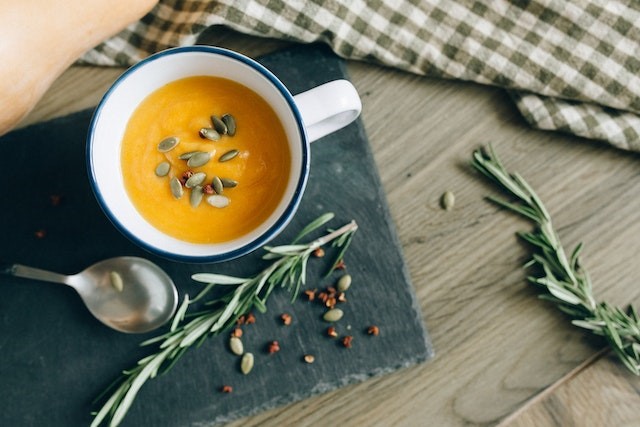
- Serve the soup in individual bowls or cups and garnish with a dollop of sour cream or crème fraîche, a sprinkle of chopped herbs, or a drizzle of olive oil.
- Serve the soup in a hollowed-out butternut squash shell for a unique and eye-catching presentation.
- For a more elegant presentation, serve the soup in a small shot glass or a demitasse cup as an appetizer.
Accompaniments
While butternut squash soup is delicious on its own, it can also be enhanced with the right accompaniments. Here are some ideas to consider:
- Crusty bread or breadsticks: Serve with a slice of crusty bread or a few breadsticks for dipping.
- Salad: A light salad can be a great accompaniment to balance out the richness of the soup. Try a simple green salad with a vinaigrette dressing.
- Cheese: A sprinkle of grated Parmesan or crumbled goat cheese can add a nice touch of flavor to the soup.
- Protein: For a heartier meal, consider adding some protein to the soup, such as cooked chicken or shrimp.
Remember to store any leftover soup in an airtight container in the refrigerator for up to 4 days or in the freezer for up to 3 months.
Common Mistakes to Avoid
When preparing butternut squash soup, there are a few common mistakes that should be avoided to ensure a delicious and satisfying dish. Here are some tips to help you avoid these mistakes:
Overcooking the Squash
One of the most common mistakes when preparing butternut squash soup is overcooking the squash. Overcooking can cause the squash to become mushy and lose its flavor. To avoid this, it is important to cook the squash until it is tender but still firm. This can be achieved by roasting the squash in the oven or boiling it in a pot of water.
Adding Too Much Liquid
Another mistake to avoid when making butternut squash soup is adding too much liquid. Adding too much liquid can make the soup too thin and dilute the flavor. To avoid this, it is important to add just enough liquid to cover the squash and then add more as needed.
Not Seasoning Properly
Seasoning is key when it comes to making a delicious butternut squash soup. Not seasoning the soup properly can result in a bland and unappetizing dish. To avoid this, it is important to taste the soup as you go and adjust the seasoning as needed. Adding salt, pepper, and other spices can enhance the flavor of the soup and make it more enjoyable.
Storing Improperly
Storing butternut squash soup properly is also important to ensure its freshness and flavor. It is best to store the soup in an airtight container in the refrigerator for up to 4 days. Freezing the soup is also an option, but it is important to let it cool completely before freezing and to use it within 3 months for best results.
By avoiding these common mistakes, you can create a delicious and satisfying butternut squash soup that will impress your family and friends.
Variations and Substitutions
Butternut squash soup is a versatile dish that can be customized to suit different tastes and dietary restrictions. Here are some variations and substitutions to consider:
- Spices: Experiment with different spices to add depth and complexity to the soup. Cumin, coriander, and smoked paprika are good options. For a little heat, try adding a pinch of cayenne pepper or chili flakes.
- Herbs: Fresh herbs can add brightness and freshness to the soup. Try adding a handful of chopped parsley, cilantro, or basil to the soup just before serving.
- Creamy Texture: For a creamier texture, add a splash of heavy cream or coconut milk to the soup. Alternatively, you can blend some of the soup in a blender or food processor until smooth and then stir it back into the pot.
- Vegan or Dairy-Free: To make the soup vegan or dairy-free, substitute the butter with olive oil or coconut oil, and use vegetable broth instead of chicken broth. Omit the cream or use a non-dairy alternative, such as coconut cream.
- Gluten-Free: Butternut squash soup is naturally gluten-free, but if you want to make sure it’s safe for those with celiac disease or gluten intolerance, double-check the ingredients in the broth and any other flavorings you use.
- Protein Boost: To make the soup more filling, add some cooked chicken, turkey, or sausage to the soup. You can also add some cooked quinoa or lentils for a vegetarian option.
Overall, butternut squash soup is a delicious and healthy dish that can be customized to suit different tastes and dietary needs. With a little creativity and experimentation, you can create a soup that’s perfect for you.
Butternut Squash Soup Recipe

- 1 large butternut squash (about 3 pounds), halved vertically and seeds removed
- 1 tablespoon olive oil, plus more for drizzling
- 1 teaspoon salt
- ½ tsp white pepper
- 2 tablespoons butter
- 1 garlic clove, minced
- 1 tsp grated fresh ginger or ½ tsp ginger powder
- 1/2 teaspoon cinnamon
- ⅛ teaspoon ground nutmeg
- 3 to 4 cups (24 to 32 ounces) vegetable broth, as needed
- ⅓ cup sweetened condensed milk
INSTRUCTIONS
- Preheat the oven to 350 degrees Fahrenheit and line a rimmed baking sheet with parchment paper. Place the butternut squash on the pan, drizzling each half with olive oil, inside and out. Sprinkle it with salt and pepper.
- Turn the squash face down and roast until it is tender and completely cooked through, about 40 minutes. Let Cool. Then remove the skin by peeling or cutting and chopping into medium-sized cubes.
- Meanwhile, in a large soup pot, warm butter over medium heat. Add the garlic and ginger and cook for 1-2 minutes. Add butternut squash cubes. Sautee for 2 more minutes. Add broth and spices, and turn the heat to high. Stir occasionally until the mixture comes to a soft boil. Remove from heat and allow to cool. Then transfer the contents to your stand blender.
- Securely fasten the lid. Blend on high. Stop once your soup is ultra-creamy.
- If you would like to thin out your soup a bit more, stir in the remaining cup of broth. Then finally, return to the pot and add sweetened condensed milk and salt and pepper to taste. Voila!
Butternut Squash Soup
Ingredients
- 1 large butternut squash (about 3 pounds), halved vertically and seeds removed
- 1 tablespoon olive oil, plus more for drizzling
- 1 teaspoon salt
- ½ tsp white pepper
- 2 tablespoons butter
- 1 garlic clove, minced
- 1 tsp grated fresh ginger or ½ tsp ginger powder
- 1/2 teaspoon cinnamon
- ⅛ teaspoon ground nutmeg
- 3 to 4 cups (24 to 32 ounces) vegetable broth, as needed
- ⅓ cup sweetened condensed milk
Instructions
Preheat the oven to 350 degrees Fahrenheit and line a rimmed baking sheet with parchment paper. Place the butternut squash on the pan, drizzling each half with olive oil, inside and out. Sprinkle it with salt and pepper.
Turn the squash face down and roast until it is tender and completely cooked through, about 40 minutes. Let Cool. Then remove the skin by peeling or cutting and chopping into medium-sized cubes.
Meanwhile, in a large soup pot, warm butter over medium heat. Add the garlic and ginger and cook for 1-2 minutes. Add butternut squash cubes. Sautee for 2 more minutes. Add broth and spices, and turn the heat to high. Stir occasionally until the mixture comes to a soft boil. Remove from heat and allow to cool. Then transfer the contents to your stand blender.
Securely fasten the lid. Blend on high. Stop once your soup is ultra-creamy.
If you would like to thin out your soup a bit more, stir in the remaining cup of broth. Then finally, return to the pot and add sweetened condensed milk and salt and pepper to taste. Voila!