Big Eats: Large Family Meal Planning Made Easy
This site may contain links to affiliate websites, and we receive an affiliate commission for any purchases made by you on the affiliate website using such links.
Meal planning for a large family can be a daunting task. With so many mouths to feed and different preferences and dietary restrictions to consider, it’s easy to feel overwhelmed. However, with some careful planning and organization, meal planning for a large family can be a breeze.
One of the most important things to consider when meal planning for a large family is budget. Feeding a large family can be expensive, so it’s important to plan meals that are both nutritious and cost-effective. Buying in bulk and planning meals around ingredients that are on sale can help to save money. It’s also a good idea to plan meals that can be made in large batches and frozen for later use. This not only saves time but can also help to reduce waste.
Another important factor to consider when meal planning for a large family is time. With so many people to feed, it’s important to plan meals that are quick and easy to prepare. One-pot meals, slow cooker recipes, and sheet pan dinners are all great options for busy weeknights. It’s also a good idea to involve the whole family in meal planning and preparation. This not only helps to save time but can also be a fun and educational activity for kids.
Meal Planning Basics
Meal planning is an essential aspect of managing large family meals. It helps you save time, money, and energy while ensuring that your family enjoys healthy and delicious meals. Here are some meal planning basics to help you get started.
Determining Serving Sizes
When planning meals for a large family, it is essential to determine the appropriate serving sizes for each meal. This will help you avoid overbuying or underbuying ingredients, which can lead to food waste or insufficient meals. A general rule of thumb is to plan for one pound of meat or poultry per meal for every four people. For vegetables, plan for one cup per person per meal.
Choosing Recipes
Choosing recipes for large family meals can be challenging, but it doesn’t have to be. Look for recipes that are easy to prepare, require minimal ingredients, and can be made in large quantities. Slow cooker meals, casseroles, and one-pot meals are great options for large family meals. Consider incorporating family favorites and rotating meals to keep things interesting.
Creating a Shopping List
Creating a shopping list is an essential step in meal planning. It helps you stay organized, avoid unnecessary purchases, and save money. Start by reviewing your recipes and determining what ingredients you already have on hand. Then, make a list of the ingredients you need to purchase. Consider buying in bulk to save money and reduce trips to the grocery store.
To make meal planning even easier, consider using meal planning printables or apps. These tools can help you organize your recipes, create shopping lists, and plan meals for the week or month. With a little planning and organization, meal planning for a large family can be a breeze.
Preparing for the Meal
When it comes to feeding a large family, preparation is key. With a little planning and organization, mealtime can run smoothly and stress-free. In this section, we will discuss some tips and tricks for preparing for your large family meal.
Setting the Table
Before you start cooking, take some time to set the table. This not only makes the meal feel more special, but it also helps to ensure that everyone has a place to sit and eat. Depending on the size of your family, you may need to use multiple tables or set up a buffet-style serving area.
Consider using disposable plates and utensils to make clean-up easier. Alternatively, invest in some durable, reusable plates and silverware that can withstand frequent use. Don’t forget to include napkins, cups, and any condiments or seasonings that your family enjoys.
Prepping Ingredients
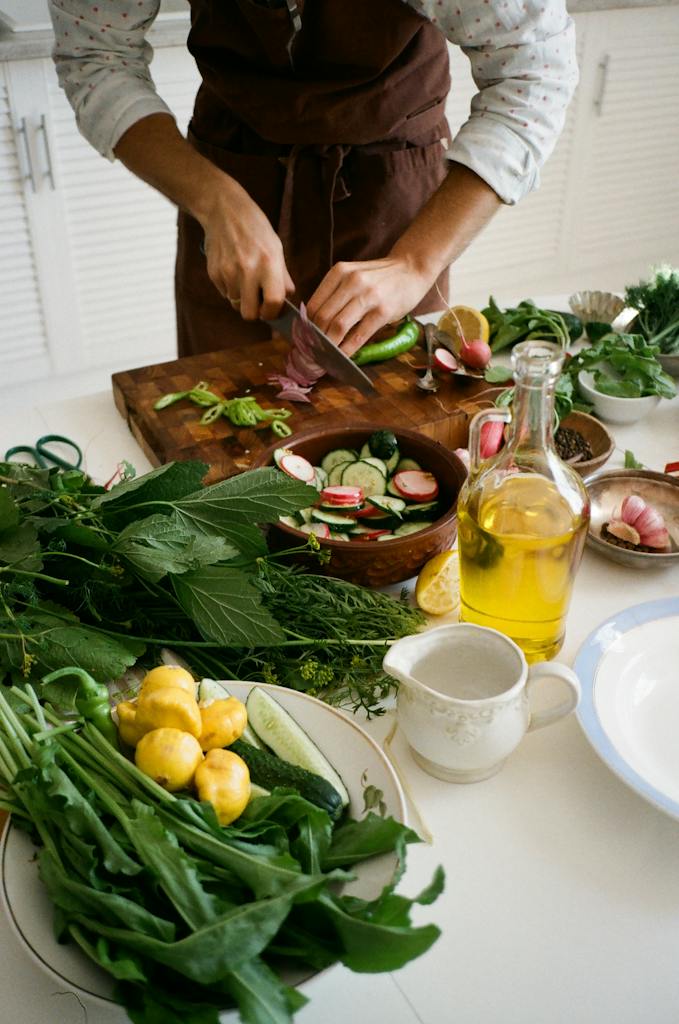
Prepping ingredients ahead of time can save you a lot of time and hassle when it comes to cooking. Consider washing and chopping vegetables, measuring out spices, and marinating meats the night before. You can also cook certain items, such as rice or pasta, ahead of time and reheat them when it’s time to serve.
Consider using a meal planning template or app to help you stay organized and on track. This can help you create a grocery list, plan out your meals for the week, and ensure that you have all the ingredients you need on hand.
Cooking Tips
When it comes to cooking for a large family, there are a few tips and tricks that can help make the process easier. Consider using a slow cooker or Instant Pot to prepare meals that can cook while you go about your day. You can also cook in bulk and freeze leftovers for later use.
If you’re cooking multiple dishes at once, consider using a timer to keep track of cooking times. This can help you avoid overcooking or undercooking your food. Don’t be afraid to delegate tasks to family members, such as stirring a pot or setting the table.
In conclusion, preparing for a large family meal can be a lot of work, but with a little planning and organization, it can be a stress-free and enjoyable experience. By setting the table, prepping ingredients, and using cooking tips, you can ensure that your meal runs smoothly and everyone leaves the table satisfied.
Serving the Meal
When it comes to serving a meal for a large family, there are a few things to consider. Do you want to serve the meal family-style or plated? How do you keep the food warm? What do you do with leftovers? Let’s dive into these questions and explore some solutions.
Family-Style vs. Plated
Family-style serving is when all the food is placed in serving dishes on the table, and everyone serves themselves. This method creates a relaxed and communal atmosphere, encouraging conversation and interaction. It’s also convenient since it eliminates the need for plating and serving each person individually.
On the other hand, plated serving involves preparing each person’s plate in the kitchen and serving them individually. This method is more formal and may be appropriate for special occasions or when you want to make sure everyone gets an equal portion. However, it can be time-consuming and may require extra help in the kitchen.
Keeping Food Warm
When serving a large family, keeping the food warm is crucial. Here are a few ways to do it:
- Use chafing dishes or warming trays to keep food at a safe temperature.
- Cover dishes with foil or a lid to retain heat.
- Place hot dishes in an insulated carrier or cooler to transport them to a potluck or picnic.
Remember to keep hot foods above 140°F and cold foods below 40°F to prevent foodborne illness.
Handling Leftovers
Leftovers are inevitable when feeding a large family. Here are some tips for handling them:
- Store leftovers in airtight containers in the refrigerator or freezer within two hours of cooking.
- Label containers with the date and contents to keep track of what’s in the fridge.
- Use leftovers within three to four days or freeze them for later use.
- Reheat leftovers to an internal temperature of 165°F before serving.
Leftovers can also be repurposed into new dishes, such as casseroles, soups, or stir-fries.
In summary, serving a meal for a large family can be challenging, but with proper planning and execution, it can be a success. Choose the serving method that suits your occasion and keep the food warm and safe. Don’t forget to handle leftovers properly to minimize waste and maximize flavor.
Special Considerations
When it comes to meal planning for a large family, there are a few special considerations to keep in mind. Dietary restrictions, picky eaters, and budget-friendly options are just a few factors that can make meal planning more challenging.
Dietary Restrictions
If you have family members with dietary restrictions, it’s important to take those into account when planning meals. Whether it’s a food allergy, intolerance, or preference, you’ll want to make sure everyone can enjoy the meal without worry.
Consider creating a table or spreadsheet to keep track of each family member’s dietary needs. This can help you plan meals that work for everyone. You can also look for recipes that are easily customizable, such as stir-fries or tacos, where each person can add or omit ingredients as needed.
Picky Eaters
If you have picky eaters in your family, meal planning can be especially challenging. It can be frustrating to spend time and money on a meal only to have it rejected by a finicky eater.
One strategy is to involve your picky eaters in the meal planning process. Let them help choose recipes or ingredients, and give them some control over what’s on their plate. You can also try introducing new foods gradually, starting with small portions and building up over time.
Budget-Friendly Options
Feeding a large family on a budget can be tough, but it’s not impossible. Look for recipes that use affordable ingredients, such as beans, rice, and pasta. You can also plan meals around cheaper cuts of meat or buy in bulk to save money.
Another strategy is to make use of leftovers. Plan meals that can be repurposed into new dishes, such as using leftover roasted chicken in a stir-fry or turning leftover rice into fried rice.
By taking these special considerations into account, you can create meal plans that work for your entire family. With a little planning and creativity, feeding a large family can be both delicious and affordable.
As an Amazon Associate, I can earn from qualifying purchases.


