What is Meal Planning? A Beginner’s Guide to Simplifying Your Meals
This site may contain links to affiliate websites, and we receive an affiliate commission for any purchases made by you on the affiliate website using such links.

Meal planning is deciding what you eat for a certain period, usually a week. It involves creating a menu, shopping for ingredients, and preparing meals in advance. Meal planning has become increasingly popular as people try to eat healthier, save time, and reduce food waste.
One of the main benefits of meal planning is that it allows you to make healthier food choices. When you plan your meals, you have more control over what you eat and are less likely to make impulsive choices high in calories, sugar, or fat. Meal planning also helps you incorporate various foods into your diet, including fruits, vegetables, whole grains, and lean protein sources.
Another advantage of meal planning is that it saves you time and money. By planning your meals, you can shop more efficiently, buy ingredients in bulk, and avoid last-minute trips to the grocery store. You can also prepare meals in advance by cooking in batches or using a slow cooker, saving you time during the week. Overall, meal planning is a simple and effective way to eat healthier, save time, and reduce food waste.
What is Meal Planning?
Meal planning is the process of organizing your meals ahead of time. It involves deciding what you will eat for breakfast, lunch, and dinner, as well as snacks, and then preparing the ingredients and meals accordingly. Meal planning can be as simple or as complex as you want, and there are many different ways to approach it.
Definition
In a nutshell, meal planning involves organizing at least some of your meals ahead of time. It can involve deciding on recipes, shopping for ingredients, and preparing meals beforehand. Meal planning can help you save time, money, and stress and can also help you eat a healthier diet.
Benefits
Meal planning has many benefits. Here are a few:
- Saves time: Planning your meals in advance can save time on grocery shopping and meal preparation.
- Saves money: Meal planning can help you save money by reducing food waste and allowing you to take advantage of sales and discounts.
- Reduces stress: Knowing what you will eat for each meal can reduce stress and eliminate the need to make decisions on the fly.
- Promotes healthier eating: Meal planning can help you to make healthier food choices and avoid impulsive or unhealthy food choices.
Types of Meal Planning
There are many different types of meal planning, and what works best for you will depend on your lifestyle and preferences. Here are a few examples:
- Batch cooking: Preparing large batches of food before freezing or refrigerating portions for later use.
- Meal kits: Ordering pre-portioned ingredients and recipes to be delivered to your door.
- Menu planning: Creating a weekly or monthly menu of meals and then shopping for ingredients accordingly.
- Pantry and freezer inventory: Take stock of what you already have and plan meals around those ingredients.
In conclusion, meal planning is a simple but effective way to save time, money, and stress while promoting healthier eating habits. By finding the best meal planning method for you, you can take control of your diet and enjoy delicious, nutritious meals every day.
How to Start Meal Planning
If you’re new to meal planning, it can initially feel overwhelming. But with a little effort, it can become a habit that saves you time, money, and stress in the long run. Here are some steps to get started:
Assess Your Needs
Before you start meal planning, it’s helpful to assess your needs. Consider your dietary restrictions, preferences, and budget. Do you have any food allergies or intolerances? Are you trying to lose weight or build muscle? Do you have a limited budget? You can create a meal plan that works for you by understanding your needs.
Set Goals
Setting goals can help you stay motivated and focused. Think about why you want a meal plan. Are you trying to save time? Eat healthier? Reduce food waste? You can tailor your meal plan to meet your needs by setting specific goals.
Create a Meal Plan
Once you’ve assessed your needs and set your goals, it’s time to create a meal plan. Start by choosing recipes that meet your dietary needs and preferences. Look for recipes that are easy to prepare and can be made in large batches. Consider planning meals that use similar ingredients to reduce waste and save money.
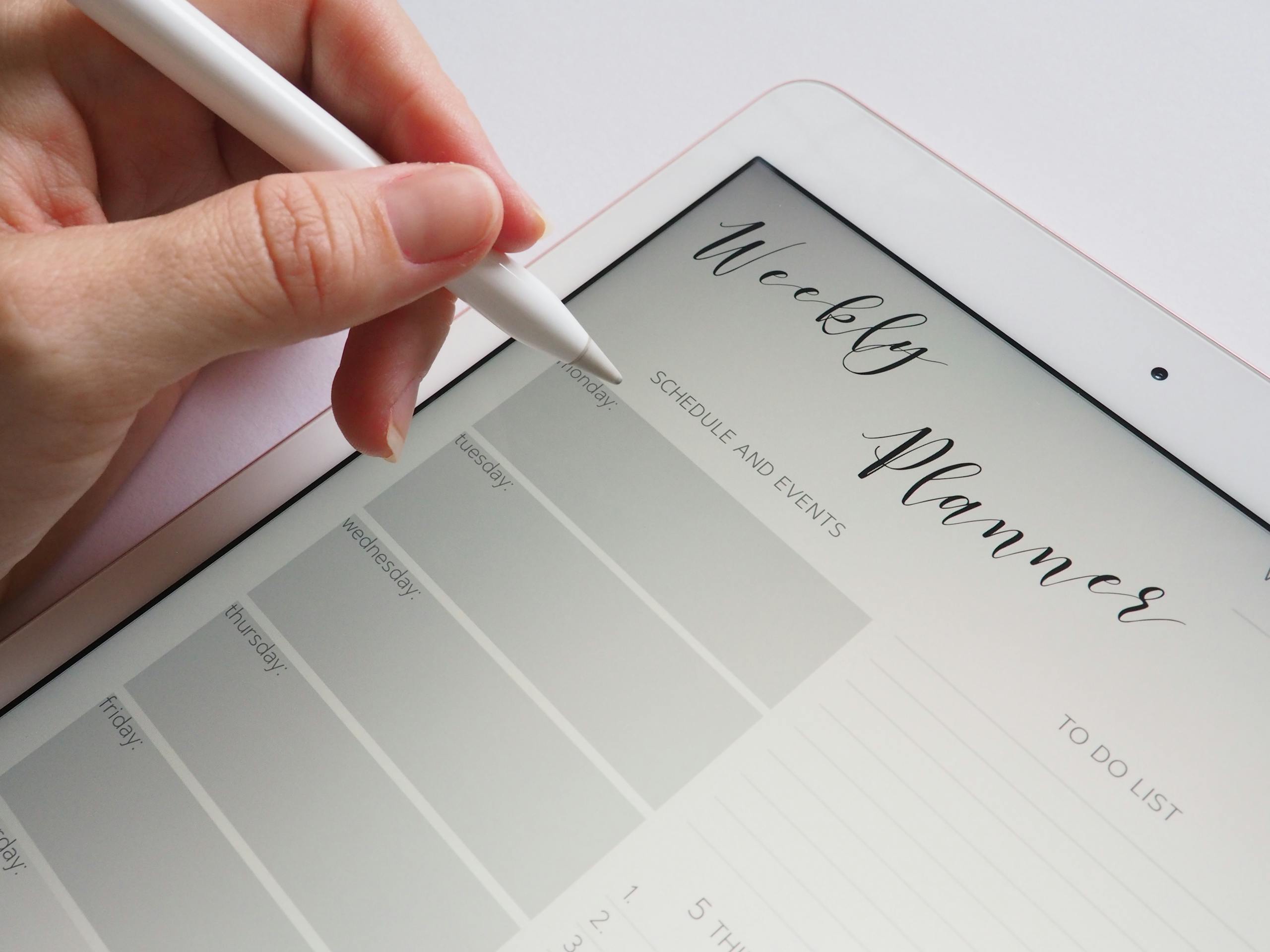
There are several ways to create a meal plan. You can use a printable template, a meal-planning app, or a spreadsheet. Some meal-planning apps even generate grocery lists based on your meal plan.

Make a Grocery List
Once you’ve created your meal plan, it’s time to make a grocery list. Check your pantry and fridge to see what you already have on hand. Then, make a list of the ingredients you need to buy. Organize your list by category (e.g., produce, dairy, meat) to make shopping easier.
By following these steps, you can start meal planning with confidence. Remember, meal planning is a process that takes practice. Don’t be afraid to experiment with different recipes and meal-planning strategies until you find what works best.
Tips for Successful Meal Planning
Meal planning can be a great way to save time and money and reduce stress during the week. Here are some tips to help make your meal planning a success:
Keep it Simple
One key to successful meal planning is to keep it simple. Don’t try to plan elaborate meals with complicated recipes that require much time and effort. Stick to simple, easy-to-prepare meals you and your family will enjoy.
Variety is Key
While it’s important to keep it simple, you don’t want to get stuck in a rut of repeatedly eating the same meals. Make sure to include a variety of foods and flavors in your meal plan to keep things interesting. You can also try new recipes and ingredients to keep things fresh.
Cook in Batches
Cooking in batches is a great way to save time and ensure you always have healthy meals. When planning meals, choose recipes that can be easily doubled or tripled so you can cook once and eat several times throughout the week.

Use Leftovers
Leftovers are a great way to save time and reduce waste. When you’re meal planning, try to plan meals that can be repurposed into new dishes later in the week. For example, you can use leftover roasted chicken to make a chicken salad or use leftover veggies to make a stir-fry.
Be Flexible
Meal planning is a great tool, but it’s important to be flexible and adjust your plan as needed. If you have a busy week, plan meals that can be prepared ahead of time or require minimal cooking. And if you have unexpected leftovers or ingredients, don’t be afraid to switch up your meal plan to incorporate them.
By following these tips, you can successfully plan meals and enjoy healthy, delicious meals throughout the week.
Meal Planning Tools and Resources
Meal planning can be daunting, but with the help of various tools and resources, it can become a breeze. Some popular tools and resources can help you plan your meals efficiently.
Apps
Meal planning apps are a great way to keep track of your meals and grocery lists. Some popular meal-planning apps include:
- Mealime: This app provides personalized meal plans based on your dietary preferences and generates grocery lists based on your chosen recipes.
- Plan to Eat: This app allows you to import recipes from various websites, plan your meals, and generate grocery lists.
- Paprika: This app saves recipes from various websites, plans your meals, and generates grocery lists.
Cookbooks
Cookbooks are a great way to get inspiration for your meals. Some popular meal-planning cookbooks include:
- The Skinnytaste Cookbook: This cookbook provides healthy and flavorful recipes that are easy to make.
- The Budget-Friendly Fresh and Local Diabetes Cookbook: This cookbook provides healthy, delicious, and budget-friendly recipes.
- The Complete Meal Prep Cookbook: This cookbook provides easy-to-make recipes that are perfect for meal prepping.
Websites
Meal planning websites provide a wealth of information on meal planning, recipes, and grocery shopping. Some popular meal-planning websites include:
- Cook Smarts: This website provides weekly meal plans, recipes, and grocery lists.
- EatingWell: This website provides healthy and delicious recipes, meal plans, and grocery shopping tips.
- The Kitchen: This website provides meal-planning tips, recipes, and grocery shopping guides.
Meal Delivery Services
Meal delivery services provide pre-prepared meals that can be delivered to your doorstep. Some popular meal delivery services include:
- Blue Apron: This service provides pre-measured ingredients and recipes that can be cooked in under 45 minutes.
- HelloFresh: This service provides pre-measured ingredients and recipes that can be cooked in under 30 minutes.
- Freshly: This service provides pre-cooked meals that can be heated in under 3 minutes.
In conclusion, meal planning tools and resources can make it easy. Whether you prefer using apps, cookbooks, websites, or meal delivery services, plenty of options are available to suit your needs.
Conclusion
Meal planning is a simple yet effective way to take control of your eating habits and make healthier choices. By planning your meals ahead of time, you can reduce stress, save time and money, and avoid impulsive decisions about what to eat.
In this article, we’ve covered the basics of meal planning, including how to get started, the benefits of meal planning, and some tips for success. Remember that meal planning is flexible, and there’s no one-size-fits-all approach. You can customize your meal plan to suit your preferences, dietary needs, and lifestyle.
Some key takeaways from this article include:
- Meal planning can save time and money by reducing food waste and avoiding last-minute takeout or delivery orders.
- Planning can help you make healthier choices and avoid unhealthy snacks or impulse buys at the grocery store.
- Meal planning doesn’t have to be complicated or time-consuming. Start small and gradually build up to planning more meals each week.
- Use tools like recipe websites, cookbooks, and meal-planning apps to help you find inspiration and stay organized.
Remember, meal planning aims to make your life easier and more enjoyable, not to add more stress or complexity. With some planning and preparation, you can enjoy delicious, healthy meals all week.
As an Amazon Associate, I can earn from qualifying purchases.