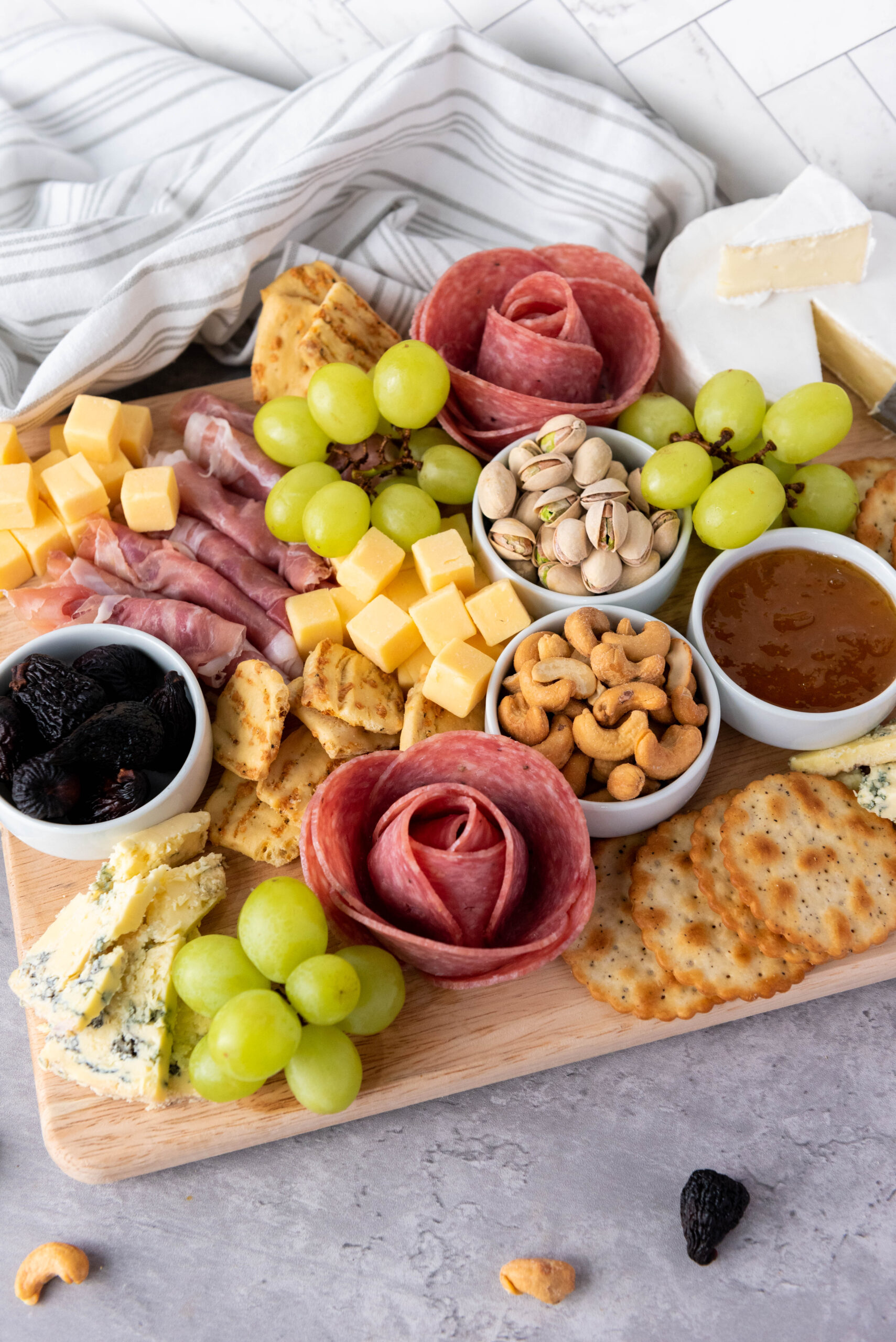
What Kind of Pickles for Charcuterie? Your Guide to Classic Charcuterie Board Recipe
This site may contain links to affiliate websites, and we receive an affiliate commission for any purchases made by you on the affiliate website using such links.
Charcuterie boards have become a popular trend in recent years, with people creating elaborate spreads of cured meats, cheeses, and various accouterments. Pickles are a common addition to these boards, providing a tangy and refreshing contrast to the richness of the meats and cheeses. However, not all pickles are created equal, and choosing the right kind can make all the difference in the flavor profile of your charcuterie board.
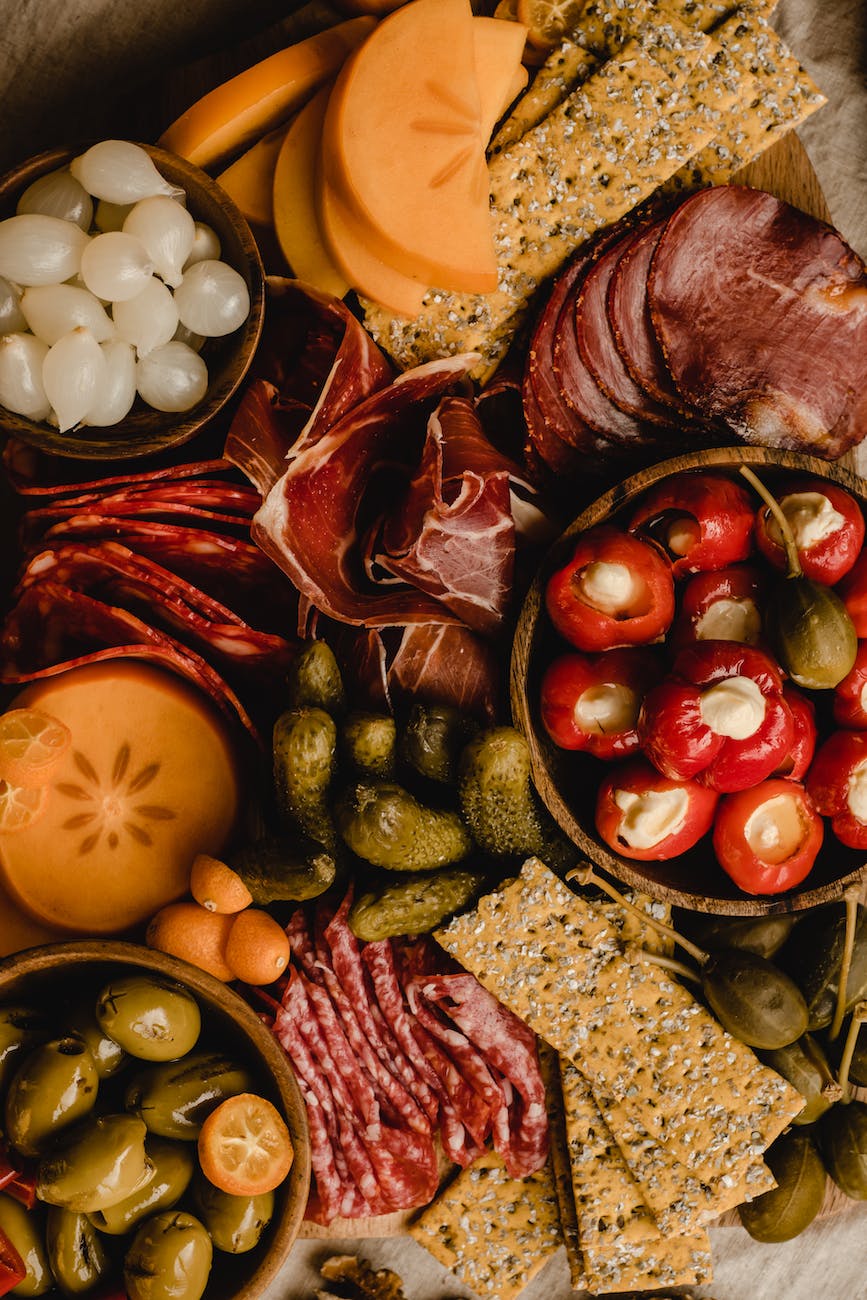
When selecting pickles for a charcuterie board, it’s important to consider the flavor profile of the meats and cheeses you’ll be serving. For example, if you’re featuring spicy cured meats, you may want to opt for sweeter pickles to balance out the heat. On the other hand, if you’re serving milder meats and cheeses, you may want to choose pickles with a more pronounced flavor.
Another factor to consider is the texture of the pickles. Some people prefer crisp, crunchy pickles, while others prefer softer, more tender pickles. The texture of the pickles can also affect how well they pair with the other items on the charcuterie board. For example, if you’re serving a crumbly aged cheese, you may want to choose pickles with a firmer texture to avoid creating a mushy mess on the board.
Types of Pickles for Charcuterie
When it comes to charcuterie boards, pickles are an essential component. They add a tangy and refreshing flavor that complements the richness of cured meats. However, not all pickles are created equal. Here are some popular types of pickles that are perfect for charcuterie boards:
Dill Pickles
Dill pickles are a classic choice for charcuterie boards. They are made with cucumbers soaked in a brine of vinegar, water, salt, and dill. The result is a tangy and slightly sour pickle with a distinct dill flavor. Dill pickles pair well with a variety of cured meats, especially fatty ones like salami and prosciutto.
Bread and Butter Pickles
Bread and butter pickles are a sweeter alternative to dill pickles. They are made with cucumbers, onions, and a sweet and tangy brine of vinegar, sugar, and spices. The result is a crunchy and slightly sweet pickle that pairs well with milder cured meats like ham and turkey.
Gherkins
Gherkins are small, crunchy pickles that are perfect for snacking on with charcuterie. They are made with small cucumbers and a brine of vinegar, water, salt, and spices. Gherkins have a tangy and slightly sweet flavor that pairs well with a variety of cured meats.
Cornichons
Cornichons are a French variety of pickles that are similar to gherkins. They are made with small cucumbers and a brine of vinegar, water, salt, and spices. Cornichons have a tart and tangy flavor that pairs well with rich and salty cured meats like prosciutto and pâté.
Sweet Pickles
Sweet pickles are another option for those who prefer a sweeter flavor. They are made with cucumbers and a brine of vinegar, sugar, and spices. Sweet pickles have a sweet and tangy flavor that pairs well with milder cured meats like ham and turkey.
Overall, there are many different types of pickles that are perfect for charcuterie boards. Whether you prefer a tangy dill pickle or a sweet bread and butter pickle, there is a pickle out there that will complement your favorite cured meats.
Pairing Pickles with Charcuterie
When it comes to pairing pickles with charcuterie, there are a few things to consider. The right pickle can complement the flavors of the meat and enhance the overall experience. Here are some factors to keep in mind:
Matching Flavors
The first consideration when pairing pickles with charcuterie is to match the flavors. For example, if you have a spicy cured meat, you may want to pair it with a sweet pickle to balance out the heat. Similarly, a tangy pickle can complement a rich, fatty meat. It’s all about finding the right balance of flavors.
Texture Considerations
Another important factor to consider is texture. You don’t want your pickles to overpower the meat, but rather provide a contrasting texture. For example, a crunchy pickle can provide a nice contrast to a soft, buttery pâté. On the other hand, a softer pickle can pair well with a firmer cured meat.
Size and Presentation
Finally, you’ll want to consider the size and presentation of the pickles. Small, bite-sized pickles are perfect for a charcuterie board, as they can be easily eaten in one or two bites. You can also consider different shapes and colors to add visual interest to your board.
Overall, the key to pairing pickles with charcuterie is to experiment and find what works best for your taste preferences. With the right combination, you can take your charcuterie board to the next level.