49 Tips to Terrific Tomatoes in Your Garden
This site may contain links to affiliate websites, and we receive an affiliate commission for any purchases made by you on the affiliate website using such links.
Tomato growing is a favorite pastime for lots of gardeners. It’s the vegetable most home gardeners choose to cultivate. Tomatoes are one of the most versatile vegetables. Use them raw in salads, cooked in casseroles, or made into sauces. So get going on your tomato growing.
- Strip the bottom leaves off the stem of a transplant, leaving four to six leaves at the top. Plant so the entire stem up to the leaves is buried two inches below the soil. The stem will throw out roots.
- Feed new transplants with a high nitrogen fertilizer to promote leave and stem growth.
- Mulch the plants to retain moisture and cut down on weeds.
- Spread black plastic on the ground to warm the soil and boost plant growth.
- Stop the high nitrogen fertilizer when the plant first blossoms and switch to a 5:10:10 fertilizer.
- Tell your tomatoes you love them. After all, they are known as love apples in French. Of course, the botanical Latin name, Solanum lycopersicum, means wolf peach ie., poison in a pretty package to kill wolves.
- Use a water-soluble fertilizer at half strength and feed twice as often as the package directs.
- Start a compost pile. You’ll get extra points by cutting down on your garbage and going green. Tomatoes love well-seasoned compost.
- Use the aquarium water when you change the water in your tank to water tomatoes. It’s full of nice rich fish poo.
- Eat a tomato a day, it keeps the doctor away.
- Grow bigger tomatoes. Remove most of the tomatoes from a plant before they ripen. Snip off the top of the main leader stem. The plant will direct all its energies into producing bigger tomatoes.
- Cage tomatoes with stakes, chicken wire, or bamboo tee-pees. Tomatoes off the ground aren’t subject to rot, fungus, and crawly things.
I’d love to see you in my Facebook group! I share meal planning tips and tricks along with freebies. Plus, you can get to know other busy people who need help meal planning!
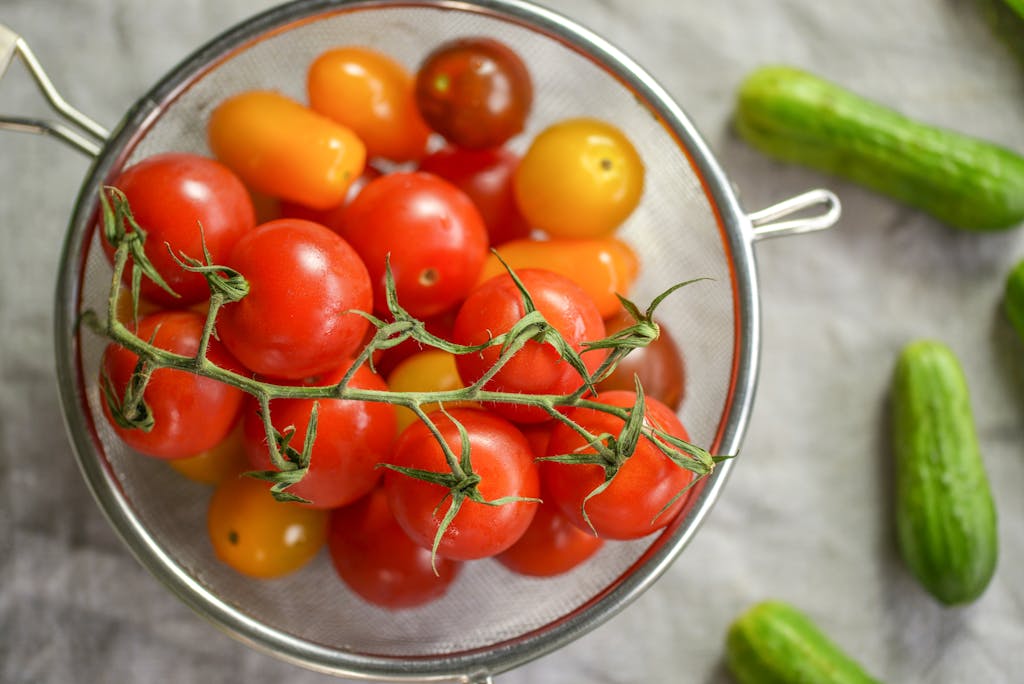
- Plant light-colored (yellow, orange, and white) tomatoes if you want a low-acid tomato.
- Keep tomatoes between 55 degrees at night and 85 degrees during the day for the best blossom set.
- Cool tomatoes during hot afternoons by providing shade from white sheets draped over the very top of the tomato cages.
- Plant tomatoes where they naturally get late afternoon shade (but still get their required eight hours of sunlight.)
- Place a shade barrier between the sun and the container of potted tomatoes when it’s above 80 degrees to keep the roots cool. An inner pot in a light-colored outer pot works well.
- Chill out. Gardening is supposed to be relaxing. Tomato growing isn’t rocket science. Good soil, consistent watering, and lots of sun will produce bumper crops. Now get going on your tomato growing.
Tomatoes are the number one vegetable in home gardens.
It seems like everyone has their secrets on how to grow the first, biggest, tastiest, or prettiest tomatoes. Have fun growing tomatoes. It’s not rocket science. All tomatoes will do well with eight hours of sunlight a day, rich soil, and consistent watering. Here are a few more tips on how to grow tomatoes.
- Start the seeds indoors so you can get a jump start on planting outside as soon as the average date of the last frost has passed.
- Soak the seeds before planting for faster germination.
- Label the seedlings if there are different varieties. All tomato plants look pretty much alike.
- Place the seed trays where it’s warm for a quick start. Warm does not mean hot like in the oven.
- Use new potting soil for seedlings to avoid dampening off.
- Snip off all but the strongest seedlings in each pot after they’ve reached three inches tall.
- Start fertilizing when seedlings have four true leaves. Dilute the fertilizer.
- Give the seedlings enough light or they’ll grow too leggy and flop over.
- Don’t try to resuscitate flopped seedlings. Give them a decent burial in the compost pile.
- Do not eat thinned seedlings like you would with lettuces, carrots, and leafy greens. Tomato vines, even the little ones, are toxic. No, really they are, and so are potato plants. They’re both part of the Nightshade family.
- Peat pots tend to dry out fast. Use plastic for transplants.
- Use waxed paper cups with holes poked in the bottom for transplants.
- Use 1/2 gallon waxed paper juice containers with holes poked in the bottom for bigger transplants.
- Use 1-gallon milk containers with – you guessed it- holes poked in the bottom and the top cut off for the biggest transplants.
- Wrap the containers of tomatoes with black plastic if the weather is too cool. The black absorbs heat.
- Bring containers inside the house if the temperature falls below 50 degrees at night.
- Wrap mini Christmas lights (not LED they don’t get warm) around the tomato cage if frost threatens.
- Put plastic gallon milk jugs with the tops cut off over smaller tomato plants to keep them warmer at night.
- Cover the small transplants with straw when frost threatens.
Now you know how to grow tomatoes. Get your garden off to a good start this spring with the tips on how to grow tomatoes.
Growing tomato plants is the first step toward harvesting ripe, juicy, big tomatoes from your garden. Tomatoes aren’t fussy. Give them at least eight hours of sunlight per day, regular water, and good soil and you should have no problem growing tomato plants.
- Remove all blossoms until the plant is at least 18 inches high so energy is directed toward growing a strong stem and good root system.
- Use a commercial blossom set for the earliest tomatoes. Or brush each blossom with a soft brush to transfer the pollen yourself.
- Mist flowers with water if the humidity is less than 40%. The pollen won’t stick if the humidity is too low. Mist yourself if you’re hot.
- Spread ground eggshells on the soil around plants to keep away snails and slugs. However, this does tend to attract snakes, which is fine as long as they’re not poisonous.
- Surround the tomato bed with copper sheeting cut in four-inch strips and used as an edging to deter snails and slugs.
- Stop cutworms cold by placing a barricade around each new transplant’s stem. Cutworms cut the seedlings off at the soil level. Old aluminum pie pans bent in a circle work well.
- Inspect plants every day for horned tomato worms. They look like big-fat-green-ugly caterpillars with a horn at one end. Remove and drown. Use chopsticks to pick them up. Or stab them, it’s up to you.
- Weed early and often. Weeds suck water away from the tomato plants and deprive them of food.
- Grow vines up to protect the fruit and take up less space in the garden. Cage the tomatoes with commercially made wire cages, cages you make yourself from chicken wire, or stake the tomatoes.
- Do not pick tomatoes straight off the vine and feed them to small children or dogs. They will learn to pick the tomatoes themselves without your permission.

- Provide companionship for your tomatoes: the plant kind. Marigolds, borage, garlic, and basil protect tomatoes from insects and accelerate the plant’s growth.
- Give tomatoes a slow deep watering. Shallow watering leads to cracked fruit. The plants will wilt a bit in the hot summer sun. Don’t rely on that as a symptom they need more water. Check the soil.
- Harvest tomatoes often. The only goal in a tomato’s life is to make baby tomatoes through seed production. Pick the fruit and the tomato will keep on producing.
- Growing tomato plants that have strong root systems, stems, and leaves leads to harvesting more tomatoes more often from your garden.