
How Long Does Ricotta Last: Keeping Your Cheese Fresh and Tasty
This site may contain links to affiliate websites, and we receive an affiliate commission for any purchases made by you on the affiliate website using such links.
Ricotta cheese is a delicious and versatile ingredient I love using in sweet and savory dishes. As someone who enjoys cooking, I’ve often wondered about the shelf life of this creamy Italian cheese.
Ricotta typically lasts 5-7 days in the refrigerator after opening. Proper storage is key to maximizing its freshness. Keeping ricotta in an airtight container and refrigerating it promptly after use helps extend its life.
I’m always looking for ways to incorporate ricotta into my meals without worrying about it spoiling too quickly. From lasagna to cannoli, there are so many delicious possibilities. Let’s explore how to make the most of this tasty cheese while it’s still fresh.
Understanding Ricotta
Ricotta is a versatile Italian cheese with a mild flavor and creamy texture. I love using it in both sweet and savory dishes.
What Is Ricotta Cheese?
Ricotta is a fresh cheese made from whey, the liquid leftover from producing other cheeses. It has a soft, grainy texture and a slightly sweet taste. I find ricotta to be incredibly versatile in the kitchen.
The name “ricotta” means “recooked” in Italian, referring to the production process. Cheesemakers heat the whey again to create curds, which are then strained to form ricotta.
Nutritionally, ricotta is rich in protein and calcium. It’s lower in fat than many other cheeses, making it a popular choice for health-conscious eaters.
Types of Ricotta
There are several varieties of ricotta available, each with unique characteristics:
- Fresh ricotta: The most common type, with a soft and moist texture
- Aged ricotta: Firmer and saltier, often used for grating
- Ricotta Salata: A pressed, salted, and dried version
Sheep’s milk ricotta has a tangier flavor than cow’s milk ricotta. I’ve also encountered goat’s milk and buffalo milk varieties, each offering a distinct taste profile.
Some regions in Italy produce specialty ricottas. For example, Ricotta Romana from Rome has a Protected Designation of Origin status, ensuring its authenticity and quality.
Storing Ricotta Cheese
Proper storage is critical to maintaining ricotta’s freshness and flavor. I’ll cover the best methods for refrigerating and freezing this delicate cheese and how to spot signs it may have spoiled.
Refrigerating Ricotta
I always store opened ricotta in an airtight container in the fridge. This helps prevent it from absorbing other flavors and keeps it from drying out. For the best quality, I make sure to use it within 5-7 days.
I check the “use by” date on the package for unopened ricotta. It usually lasts about two weeks in the fridge. Once I open it, I transfer leftovers to a clean container with a tight-fitting lid.
I’ve found that placing the ricotta towards the back of the fridge, where it’s coldest, helps it stay fresh longer. The ideal temperature is between 35-40°F (1.7-4.4°C).
Freezing Ricotta
When I want to extend ricotta’s shelf life, freezing is a good option. I drain the excess liquid first, then pack it in an airtight container or freezer bag. It’s best to use within 2-3 months.
Frozen ricotta works well in cooked dishes, but the texture changes slightly upon thawing. I’ve used it in lasagna, stuffed shells, and baked goods.
I move the ricotta to the fridge overnight to thaw. Once thawed, I stir it to improve consistency. It’s essential to use thawed ricotta within three days.
Signs of Spoilage
I always check ricotta before using it. Fresh ricotta should have a clean, milky smell. If I notice any sour or off odors, it’s time to toss it.
Visual cues are important, too. I look for any signs of mold, which can appear as green, blue, or black spots. I discard the entire container, even if it’s just a tiny area.
Texture changes can also indicate spoilage. If the ricotta becomes slimy or develops a yellow tint, it’s no longer safe. When in doubt, I follow the “better safe than sorry” rule and throw it out.
Now, if you have some ricotta cheese that you need to use up, here’s a great recipe to try.
Whipped Ricotta Dip with Balsamic and Cranberries
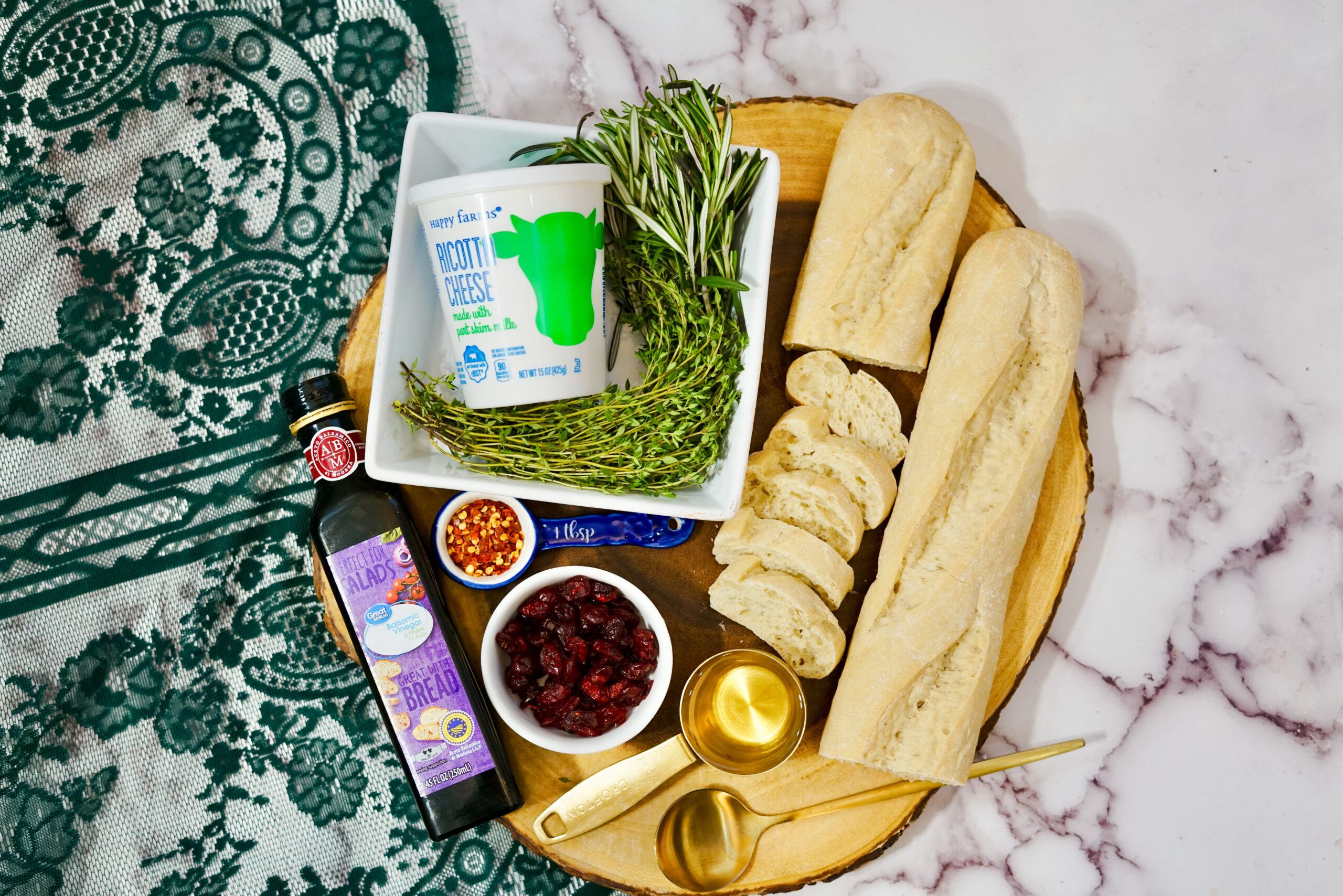
Ingredients
- 2 Cups Ricotta
- 2 Tablespoons Olive Oil
- 1/2 Cup Dried Cranberries
- 1 Teaspoon Crushed Red Pepper
- Fresh Rosemary
- Fresh Thyme
Directions
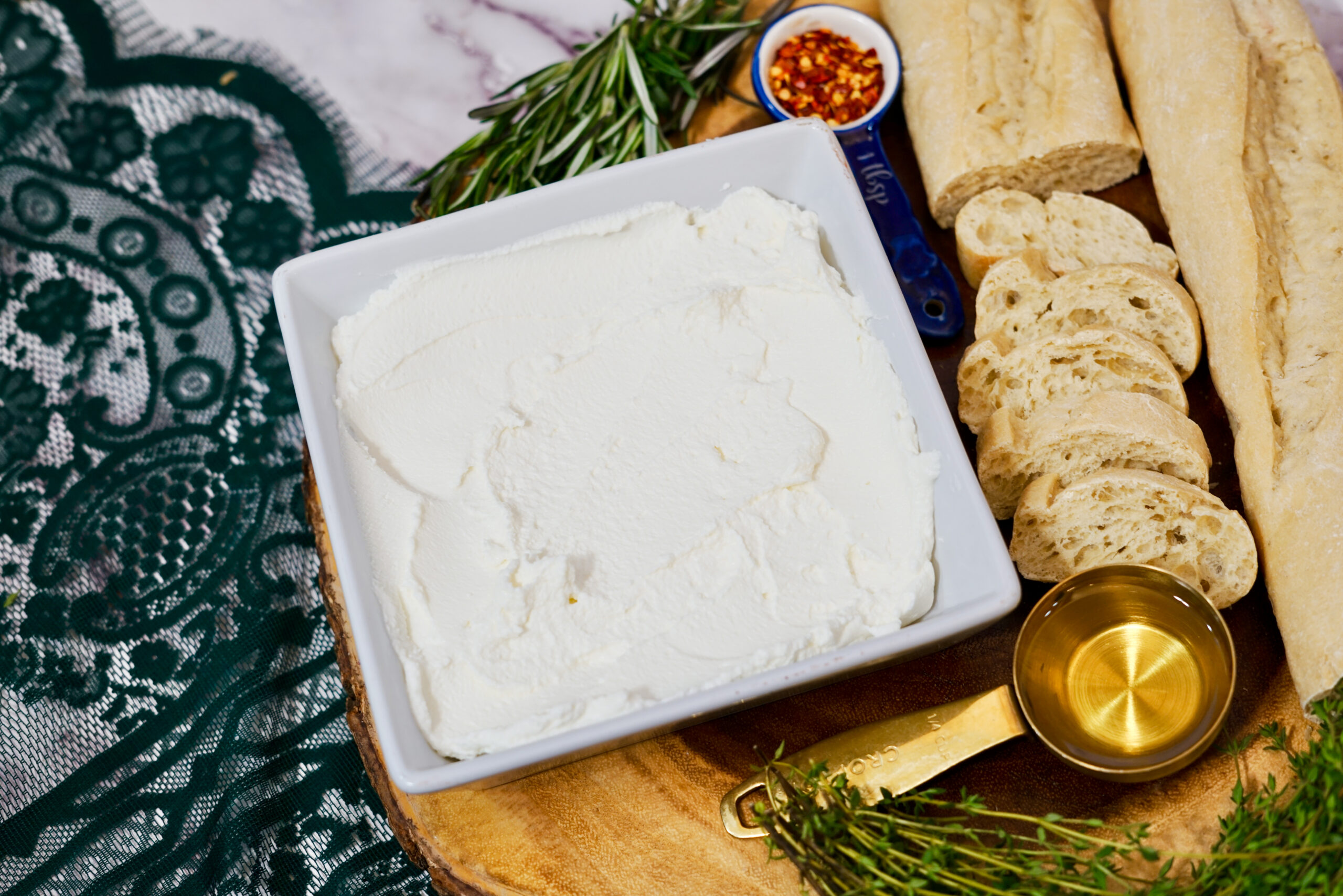
- In a medium bowl, add ricotta and beat with a hand mixer until smooth and creamy, around one minute.
- Spread into a serving dish.
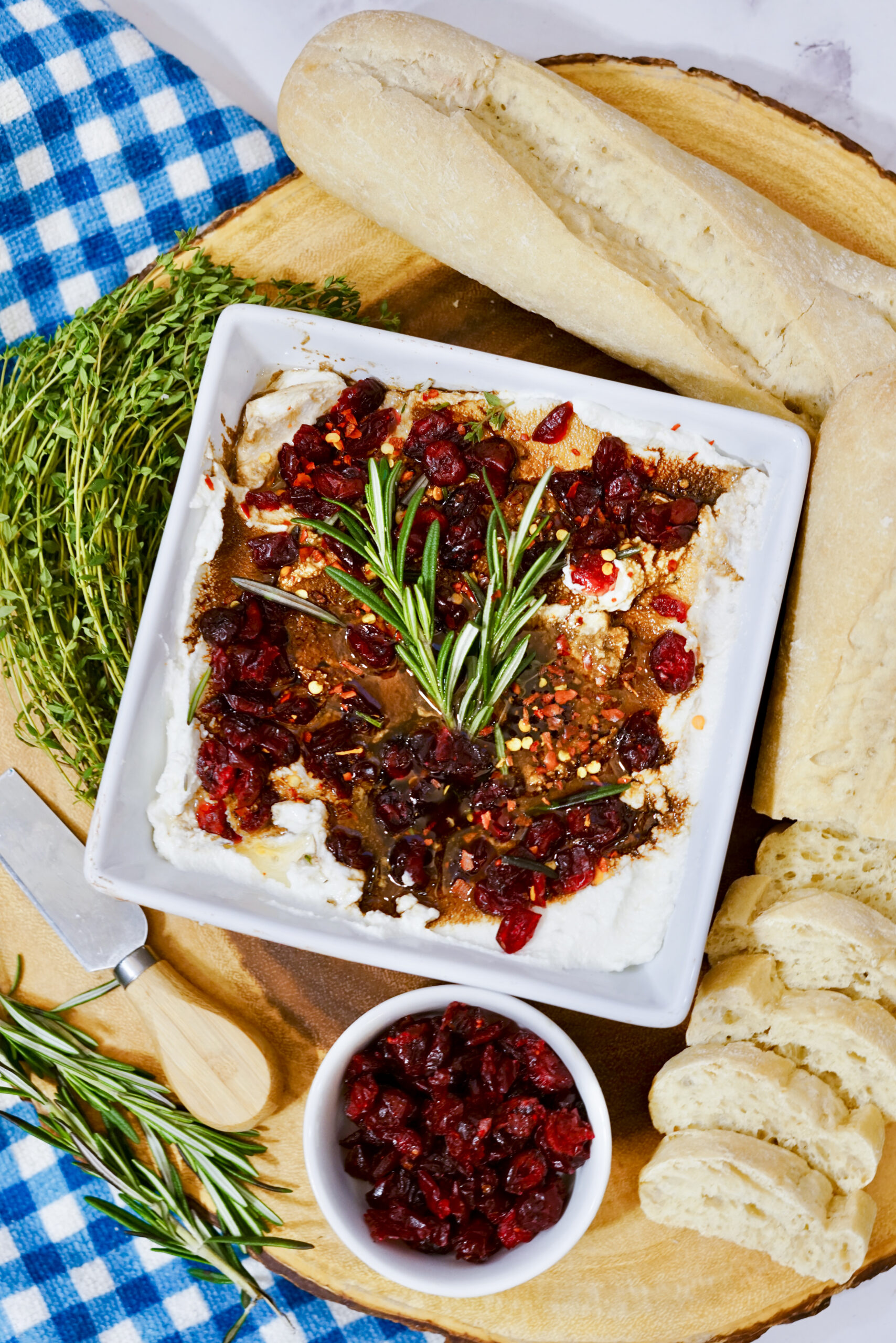
- Drizzle with the balsamic vinegar and olive oil.
- Sprinkle dried cranberries on top of the whipped ricotta dip, and finish with fresh thyme, rosemary, and red chili pepper flakes.
Whipped Ricotta Dip with Balsamic and Cranberries

Ingredients
- 2 Cups Ricotta
- 2 Tablespoons Olive Oil
- 1/2 Cup Dried Cranberries
- 1 Teaspoon Crushed Red Pepper
- Fresh Rosemary
- Fresh Thyme
Instructions
- In a medium bowl, add ricotta and beat with a hand mixer until smooth and creamy, around one minute.
- Spread into a serving dish.
- Drizzle with the balsamic vinegar and olive oil.
- Sprinkle dried cranberries on top of the whipped ricotta dip, and finish with fresh thyme, rosemary, and red chili pepper flakes.