
How to Cook Eggplant + Sheet Pan Eggplant Parmesan Recipe
This site may contain links to affiliate websites, and we receive an affiliate commission for any purchases made by you on the affiliate website using such links.
Eggplant is a versatile vegetable that can be cooked in a variety of ways. It can be roasted, grilled, baked, fried, or sautéed, and can be used in a variety of dishes, from appetizers to entrees. However, many people are intimidated by eggplant, not knowing how to cook it properly or how to bring out its flavor.
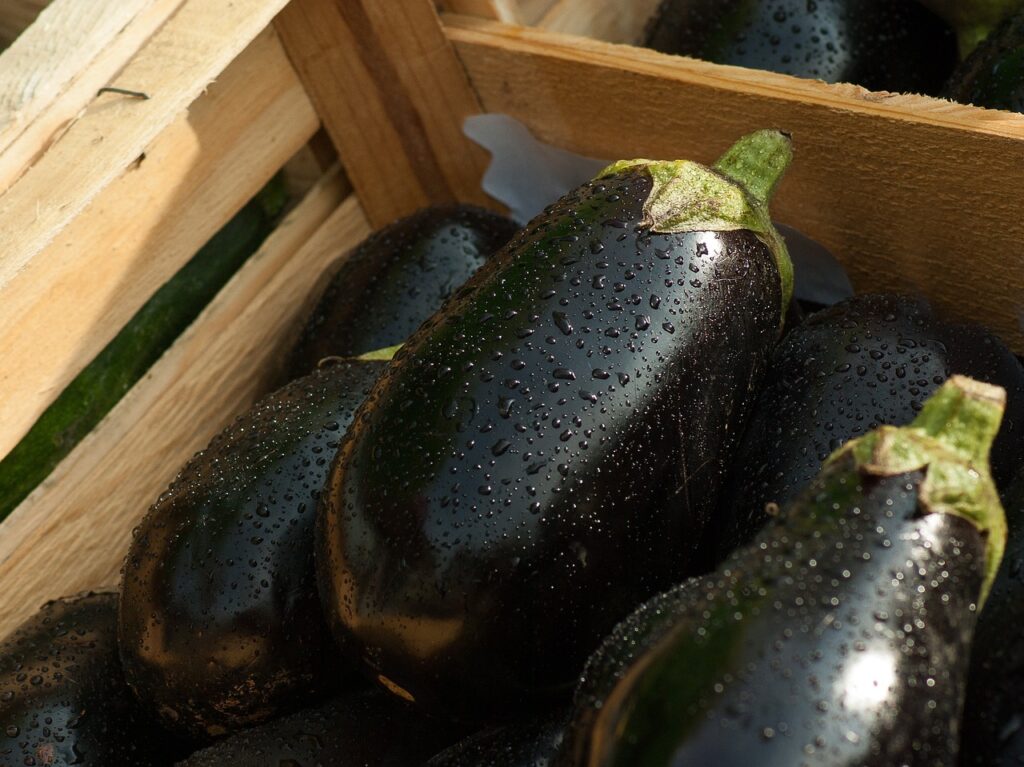
To cook eggplant, the first step is to choose the right one. Look for eggplants that are firm and heavy for their size, with smooth, shiny skin. Avoid eggplants that are wrinkled, soft, or have brown spots. Once you have the right eggplant, there are several ways to prepare it, depending on your taste and the dish you are making.
One popular way to cook eggplant is to roast it. This method brings out the eggplant’s natural sweetness and gives it a smoky flavor. To roast eggplant, preheat your oven to 400°F, cut the eggplant into slices or cubes, brush with olive oil, and season with salt and pepper. Roast for 20-30 minutes, or until the eggplant is tender and golden brown.
Selecting the Right Eggplant
Varieties of Eggplant
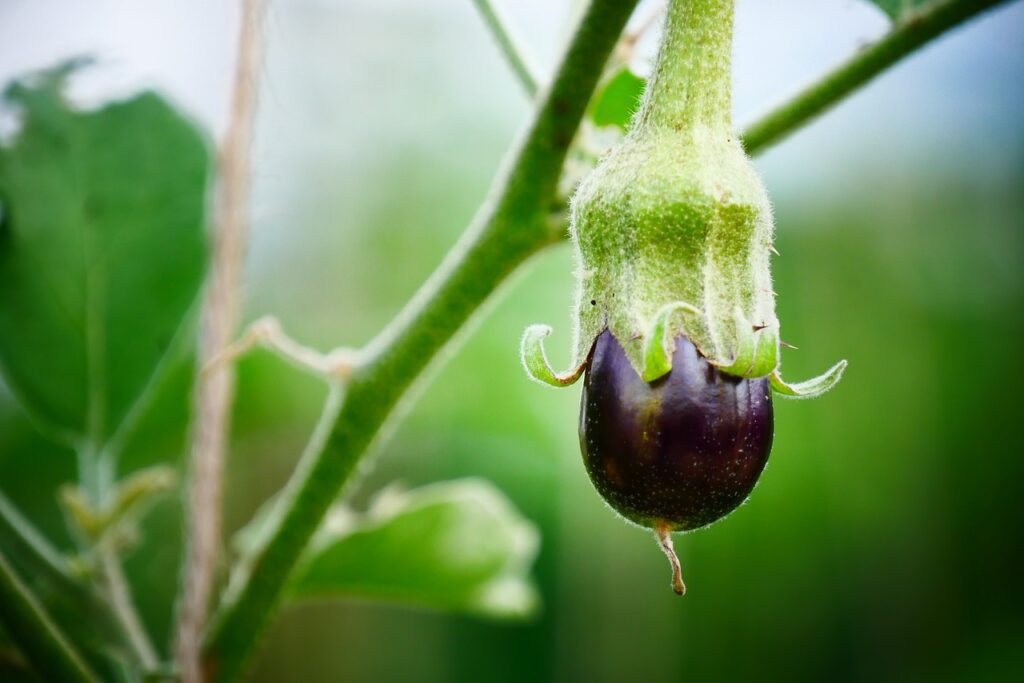
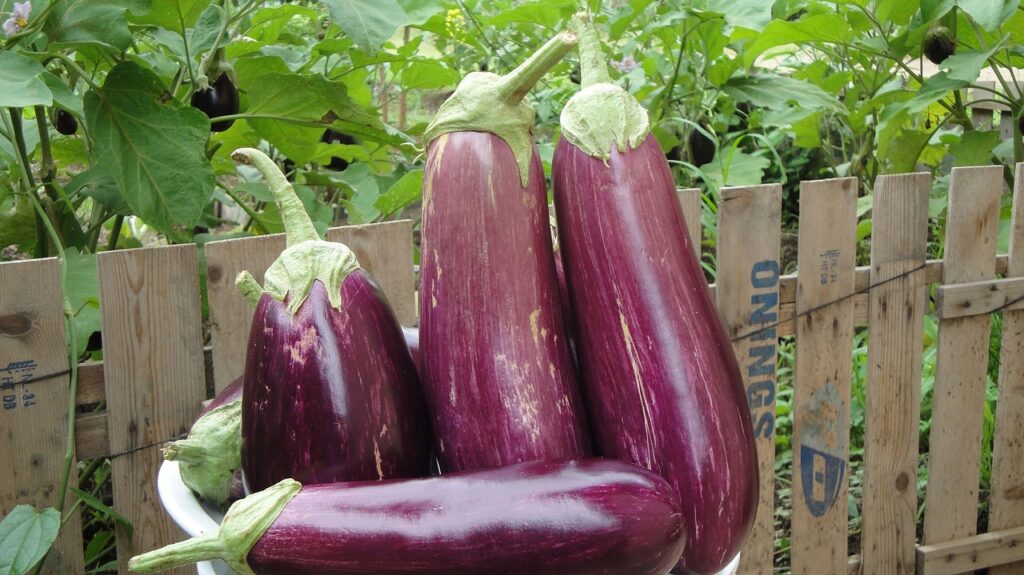
Eggplants come in various shapes and sizes, and each variety has its own unique flavor and texture. Some common varieties of eggplant include Globe, Italian, Japanese, and Chinese eggplants. Globe eggplants are the most commonly found variety and are large and round, while Italian eggplants are longer and thinner. Japanese eggplants are smaller and have a sweeter flavor, while Chinese eggplants are long and slender with a mild flavor.
Inspecting for Freshness
When selecting eggplants, it is important to choose ones that are firm, shiny, and smooth. Avoid eggplants that have soft spots, bruises, or wrinkled skin, as these are signs that the eggplant is not fresh. Additionally, check the stem of the eggplant to ensure that it is green and fresh-looking.
Size and Shape Considerations
The size and shape of the eggplant can also affect the final dish. Larger eggplants tend to have more seeds and a slightly bitter flavor, while smaller eggplants have fewer seeds and a sweeter taste. Additionally, the shape of the eggplant can affect how it is cooked. Globe eggplants are great for roasting or grilling, while longer Italian eggplants are perfect for slicing and frying. Japanese and Chinese eggplants are ideal for stir-frying or sautéing.
By selecting the right eggplant, you can ensure that your dish turns out delicious and flavorful. Remember to inspect for freshness, consider the variety, and choose the right size and shape for your recipe.
Preparation Basics
Washing and Drying
Before cooking eggplant, it is important to wash it thoroughly to remove any dirt or residue. To do this, simply rinse the eggplant under cold running water and gently scrub the skin with a soft-bristled brush. After washing, pat the eggplant dry with a clean towel or paper towel.
To Peel or Not to Peel
Whether or not to peel the eggplant is a matter of personal preference. The skin is edible and contains many nutrients, but it can also be tough and bitter. If you choose to peel the eggplant, use a vegetable peeler or a sharp knife to remove the skin. Alternatively, you can leave the skin on and simply score it with a knife before cooking to prevent it from becoming tough.
Cutting Techniques
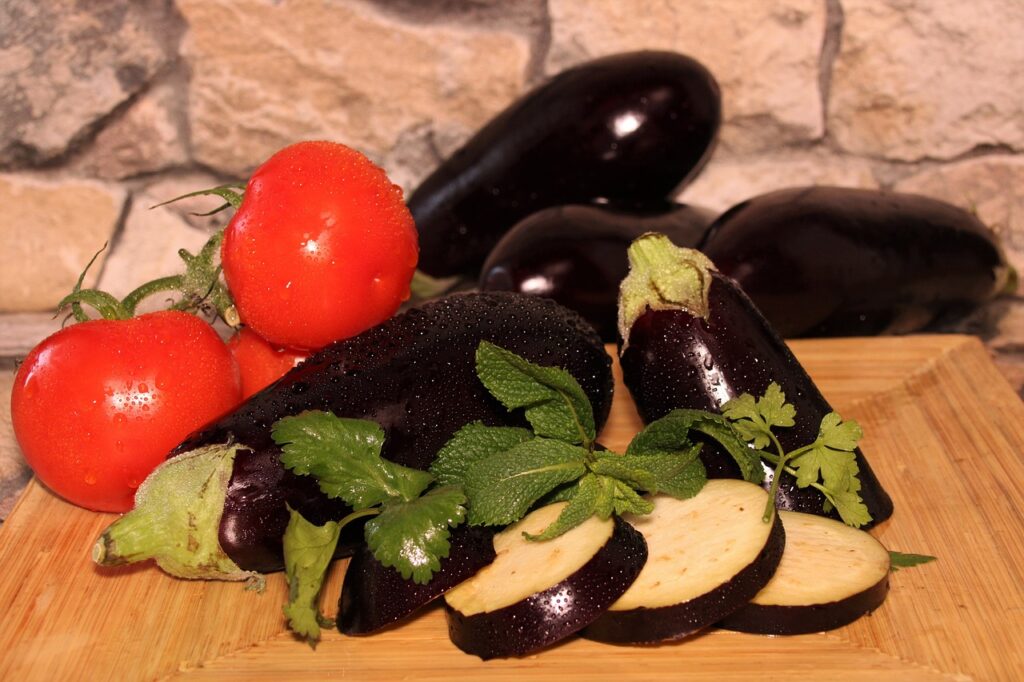
There are several cutting techniques that can be used when preparing eggplant. The most common method is to slice the eggplant into rounds or cubes, but it can also be cut into strips, wedges, or even grated. When cutting the eggplant, use a sharp knife and be careful not to cut yourself. It is also important to cut the eggplant into uniform pieces to ensure even cooking.
Overall, the key to preparing eggplant is to wash it thoroughly, decide whether or not to peel it, and cut it into uniform pieces. With these basic preparation techniques in mind, you can create a variety of delicious eggplant dishes.
Cooking Methods
Roasting Eggplant
Roasting is a great way to cook eggplant, as it brings out its natural sweetness and gives it a smoky flavor. To roast eggplant, preheat your oven to 400°F. Cut the eggplant into slices or cubes, and drizzle with olive oil. Season with salt and pepper and roast for about 20-30 minutes, or until the eggplant is tender and lightly browned. You can also add other vegetables, such as onions and bell peppers, for a delicious roasted vegetable medley.
Grilling Eggplant
Grilling is another popular method for cooking eggplant, as it gives it a nice charred flavor and a crisp texture. To grill eggplant, preheat your grill to medium-high heat. Cut the eggplant into slices or rounds, and brush with olive oil. Season with salt and pepper, and grill for about 3-4 minutes per side, or until the eggplant is tender and lightly charred. You can also add some herbs and spices, such as garlic and oregano, for extra flavor.
Sautéing Eggplant
Sautéing is a quick and easy method for cooking eggplant, and it works well for dishes such as stir-fries and curries. To sauté eggplant, heat some oil in a pan over medium-high heat. Cut the eggplant into cubes or slices, and add to the pan. Cook for about 5-7 minutes, or until the eggplant is tender and lightly browned. You can also add other vegetables and spices, such as onions, garlic, and cumin, for extra flavor.
Frying Eggplant
Frying is a less healthy method for cooking eggplant, but it can be delicious when done right. To fry eggplant, heat some oil in a pan over medium-high heat. Cut the eggplant into slices or cubes, and coat in flour or breadcrumbs. Fry for about 2-3 minutes per side, or until the eggplant is golden brown and crispy. Drain on paper towels and season with salt and pepper.
Steaming Eggplant
Steaming is a healthy and simple method for cooking eggplant, and it helps to retain its natural flavor and nutrients. To steam eggplant, cut it into slices or cubes, and place in a steamer basket. Steam for about 8-10 minutes, or until the eggplant is tender and cooked through. You can also add some soy sauce and ginger for extra flavor.
Seasoning and Flavoring
Herbs and Spices
Eggplant is a versatile vegetable that can be seasoned with a variety of herbs and spices to enhance its flavor. Some popular herbs and spices that go well with eggplant include basil, oregano, thyme, rosemary, cumin, coriander, and paprika. These herbs and spices can be added to the eggplant during cooking or used to season a marinade or sauce.
Marinades and Sauces
Marinades and sauces are great ways to add flavor to eggplant. A simple marinade can be made by mixing olive oil, lemon juice, garlic, and herbs such as thyme and rosemary. The eggplant can be marinated for a few hours before cooking to allow the flavors to penetrate the flesh. A tomato-based sauce is also a popular option for eggplant dishes, such as a classic Italian tomato sauce or a spicy harissa sauce.
Balancing Flavors
When seasoning and flavoring eggplant, it’s important to balance the flavors to create a delicious dish. For example, if using acidic ingredients such as lemon juice or vinegar, it’s important to balance the acidity with sweetness, such as honey or brown sugar. Similarly, if using salty ingredients such as soy sauce or miso paste, it’s important to balance the saltiness with sweetness or acidity. By balancing the flavors, the eggplant dish will have a well-rounded and delicious taste.
Troubleshooting Common Issues
Preventing Bitterness
Eggplants can sometimes be bitter, which can ruin the dish. To prevent this, there are a few things you can do. First, choose a younger eggplant, as older ones tend to be more bitter. Second, slice the eggplant and sprinkle salt over the slices. Let them sit for about 30 minutes to draw out any bitterness. Rinse the slices and pat them dry before cooking. Finally, avoid overcooking the eggplant, as this can also make it bitter.
Texture Problems
If your eggplant dish is too mushy, it may be because the eggplant was overcooked. To avoid this, try cutting the eggplant into smaller pieces and cooking it for a shorter amount of time. On the other hand, if your eggplant is too tough, it may not have been cooked long enough. In this case, try cutting it into smaller pieces and cooking it for a longer amount of time. Additionally, you can try salting the eggplant slices beforehand to help soften them.
Cooking Time Adjustments
Cooking time can vary depending on the size and type of eggplant you are using. If you find that your eggplant is not fully cooked after the recommended cooking time, try cutting it into smaller pieces or increasing the heat slightly. Conversely, if your eggplant is overcooked and mushy, try cutting it into larger pieces or reducing the heat. Remember to keep an eye on the eggplant and adjust the cooking time accordingly.
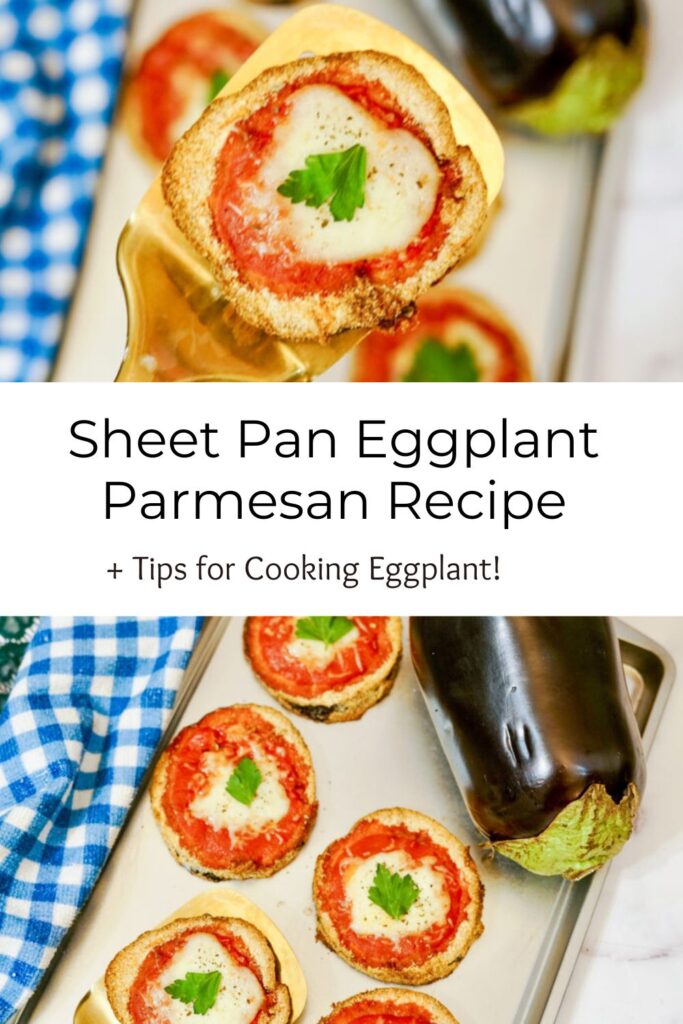
Sheet Pan Eggplant Parmesan Recipe
Ingredients
- 1 Egg Plant
- 1 Egg
- 1 Cup Bread Crumbs
- Mozzarella Cheese
- Marinara Sauce
Pre-heat oven to 350 degrees.
Slice the eggplant.
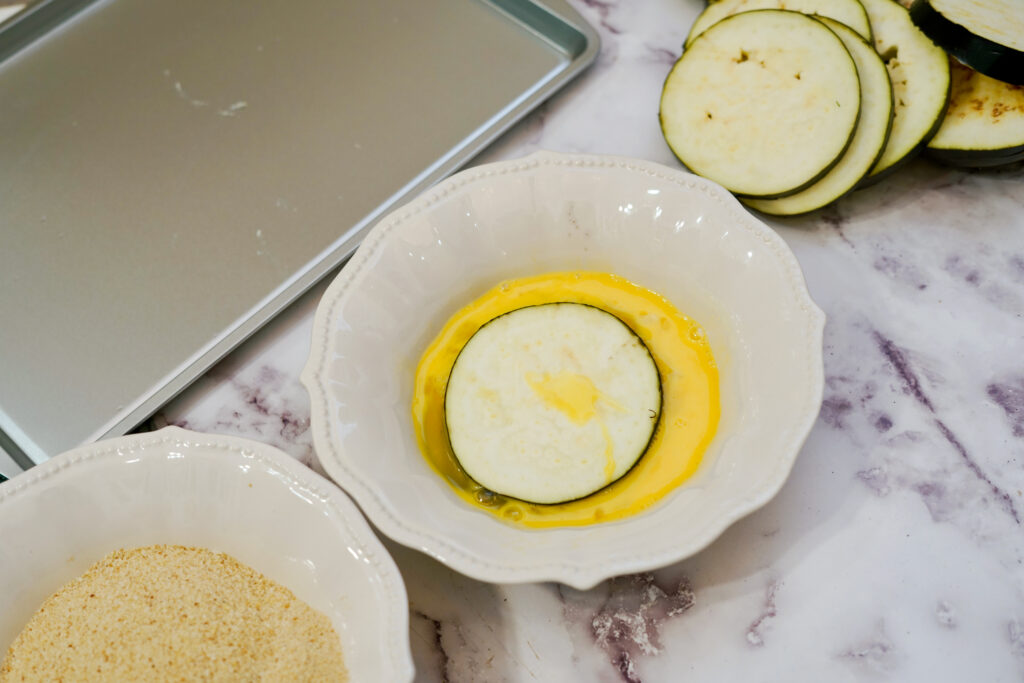
Coat the eggplant slices in egg.
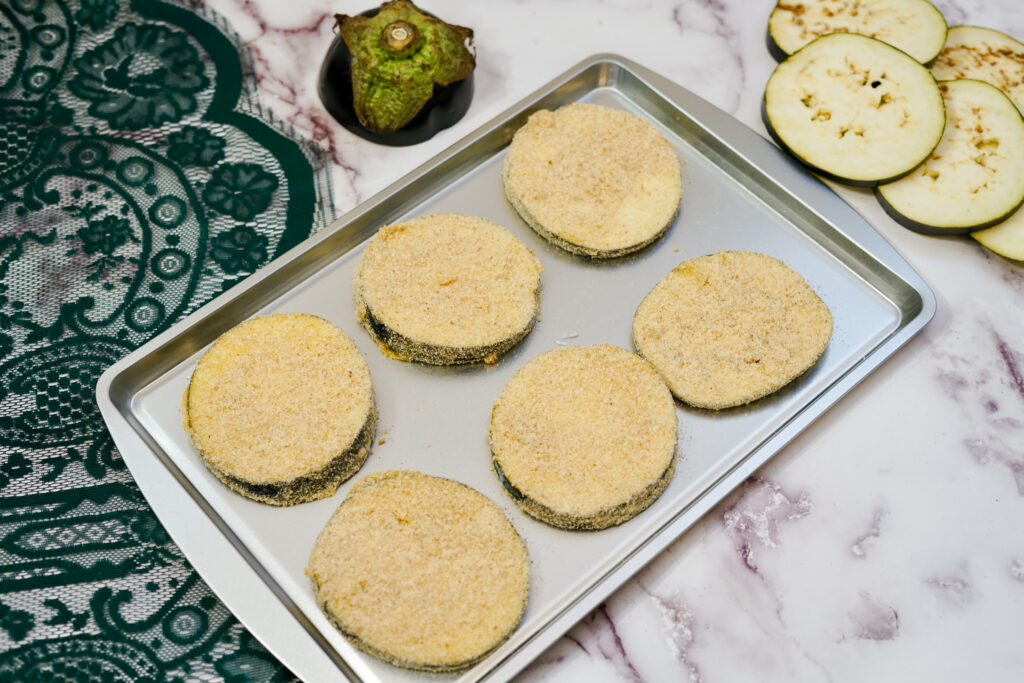
Then smother in bread crumbs.
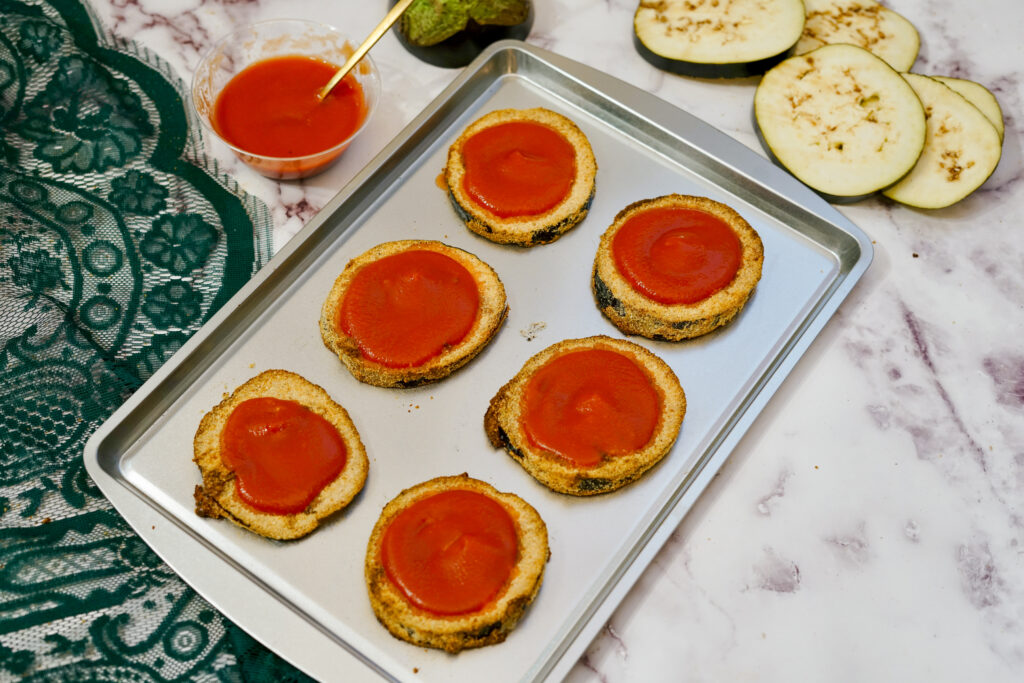
Top with sauce & mozzarella cheese.
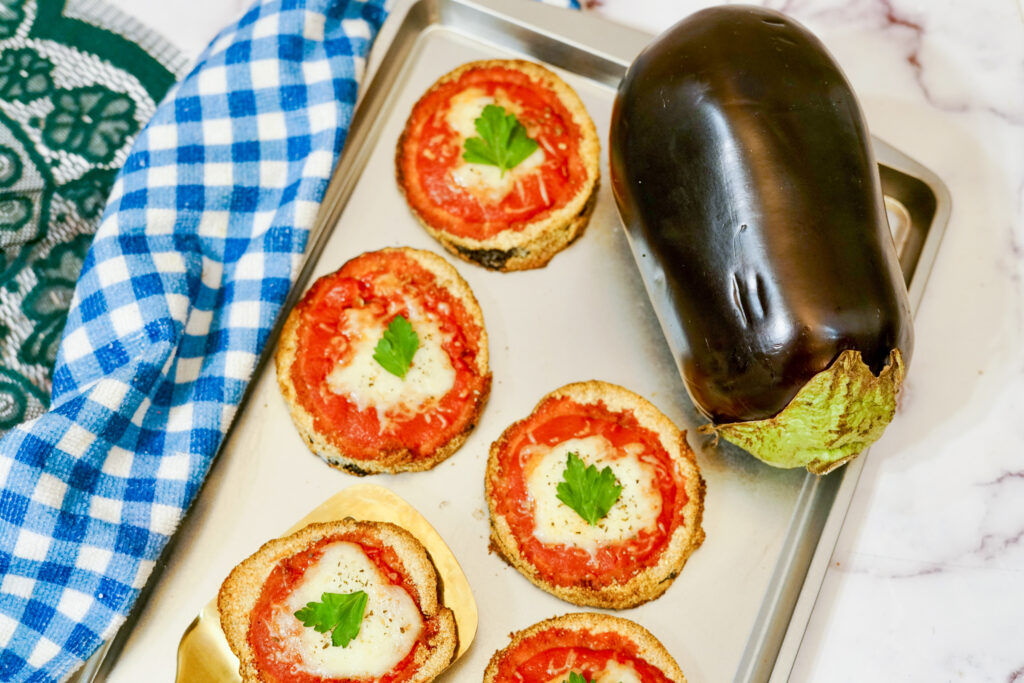
Bake for 20 minutes.

Sheet Pan Eggplant Parmesan

Ingredients
- 1 Egg Plant
- 1 Egg
- 1 Cup Bread Crumbs
- Mozzarella Cheese
- Marinara Sauce
Instructions
Pre-heat oven to 350 degrees.
Slice the eggplant.
Coat the eggplant slices in egg.
Then smother in bread crumbs.
Top with sauce & mozzarella cheese.
Bake for 20 minutes.