
Discover the Health Benefits of Salsa: Why This Tasty Condiment is Good for You Salsa
This site may contain links to affiliate websites, and we receive an affiliate commission for any purchases made by you on the affiliate website using such links.
Salsa is a popular condiment that is enjoyed by many. It is a mixture of chopped tomatoes, onions, peppers, and various herbs and spices. Salsa is not only delicious, but it also offers numerous health benefits that make it a great addition to any diet.
One of the main health benefits of salsa is its hydrating properties. Tomatoes, which are a main ingredient in salsa, are over 95% water. This makes salsa a great way to stay hydrated, especially during the hot summer months. Additionally, salsa is a low-calorie condiment that can help with weight management. It is an excellent alternative to high-calorie dips and sauces that are often used with chips and other snacks.

What is Salsa?
Salsa is a delicious and versatile condiment that is enjoyed all around the world. It is typically made from a combination of fresh and flavorful ingredients like tomatoes, onions, peppers, garlic, and cilantro. While salsa is most commonly associated with Mexican cuisine, it can be used to add a burst of flavor to a wide variety of dishes, from salads and sandwiches to meats and seafood.
Salsa comes in many different varieties, each with its own unique flavor profile. Some salsas are mild and sweet, while others are spicy and tangy. Some are chunky and thick, while others are smooth and runny. No matter what your preference, there is sure to be a salsa out there that suits your taste buds.
One of the great things about salsa is that it is incredibly healthy. It is low in calories and fat, and is a good source of vitamins and minerals like vitamin C, potassium, and fiber. In fact, salsa is so healthy that it has been shown to offer a wide range of health benefits, from boosting immunity and reducing inflammation to promoting weight loss and improving heart health.
So the next time you’re looking for a flavorful and healthy way to spice up your meal, reach for a jar of salsa. Your taste buds and your body will thank you for it!
Nutritional Content of Salsa
Salsa is a delicious condiment that is commonly used in Mexican cuisine. It is made from a combination of diced tomatoes, onions, chili peppers, and other ingredients, such as lime juice and cilantro. Salsa is not only tasty but also nutritious. Here is a breakdown of the nutritional content of salsa.
Vitamins and Minerals
Salsa is a good source of vitamins and minerals. It contains a high amount of vitamin C, which is essential for maintaining a healthy immune system and protecting the body against diseases. Salsa also contains vitamin A, which is important for maintaining healthy eyesight and skin. Additionally, salsa contains potassium, which plays a crucial role in regulating blood pressure and maintaining heart health.
Fiber Content
Salsa is a good source of fiber, which is important for maintaining a healthy digestive system. A 2-tablespoon serving of salsa provides 0.6 grams of fiber. Fiber helps to promote regular bowel movements, prevent constipation, and reduce the risk of colon cancer.
Calorie Count
Salsa is a low-calorie condiment, making it an excellent choice for those who are watching their weight. A 2-tablespoon serving of salsa provides only 12 calories. Salsa is also low in fat, with only 0.1 grams of fat per serving. This makes it a healthy alternative to high-calorie dips and spreads.
In conclusion, salsa is a nutritious condiment that is packed with vitamins, minerals, and fiber. It is also low in calories and fat, making it a healthy addition to any meal.

Health Benefits of Salsa
Salsa is a delicious condiment that is often used in Mexican and Tex-Mex cuisine. Besides adding flavor to your favorite dishes, salsa has several health benefits that can help improve your overall well-being. In this section, we will explore some of the most significant health benefits of salsa.
Promotes Digestive Health
Salsa is made up of several ingredients that are beneficial for digestive health. Tomatoes, onions, and peppers are rich in fiber, which helps regulate bowel movements and prevent constipation. Additionally, the capsaicin found in peppers can stimulate the digestive tract and increase the production of digestive enzymes, helping your body break down food more efficiently.
Boosts Immune System
Salsa is a great source of vitamin C, which is essential for a healthy immune system. Vitamin C helps your body produce white blood cells, which are responsible for fighting off infections and diseases. Lime juice, onions, and tomatoes are all rich sources of vitamin C, making salsa a great way to boost your immune system.
Aids in Weight Loss
Salsa is a low-calorie condiment that can help you lose weight. It is an excellent alternative to high-calorie dips and sauces, such as mayonnaise and sour cream. Salsa is also rich in flavor, so you can use it to add taste to your meals without adding extra calories. Additionally, the fiber found in salsa can help you feel full for longer, reducing your overall calorie intake.
In conclusion, salsa is a tasty and healthy addition to your meals. It promotes digestive health, boosts the immune system, and aids in weight loss. So, next time you’re looking to add some flavor to your food, consider reaching for a jar of salsa instead of high-calorie dips and sauces.
Salsa in a Balanced Diet
Salsa is a versatile condiment that can be used in a variety of dishes to add flavor and nutritional value. Incorporating salsa into a balanced diet can provide several health benefits. Here are some ways to use salsa in your meals:
As a Snack
Salsa can be a great snack option when paired with healthy chips or vegetables. Opt for baked or air-popped chips to keep the calorie count low. Raw vegetables like carrots, cucumbers, and bell peppers are also great options to dip in salsa. This snack is a great way to add extra veggies to your diet.
As a Salad Dressing
Salsa can be used as a healthy alternative to high-calorie salad dressings. Simply mix salsa with a little bit of olive oil and vinegar for a flavorful and nutritious dressing. This dressing is a great option for those who are watching their calorie intake.
As a Sauce
Salsa can be used as a sauce for a variety of dishes, including grilled chicken, fish, or tofu. It adds flavor and moisture to the dish without adding a lot of calories. Salsa can also be used as a topping for baked potatoes or sweet potatoes.
Nutritional Value
Salsa is low in calories and fat, making it a great addition to a balanced diet. It is also a good source of vitamin C, which helps boost your immune system. Salsa made with tomatoes is also high in lycopene, an antioxidant that has been linked to a reduced risk of heart disease and certain types of cancer.
Incorporating salsa into your meals is an easy way to add flavor and nutritional value to your diet. It can be used as a snack, salad dressing, or sauce for a variety of dishes. Salsa is low in calories and fat and is a good source of vitamin C and lycopene.
How to Make Salsa
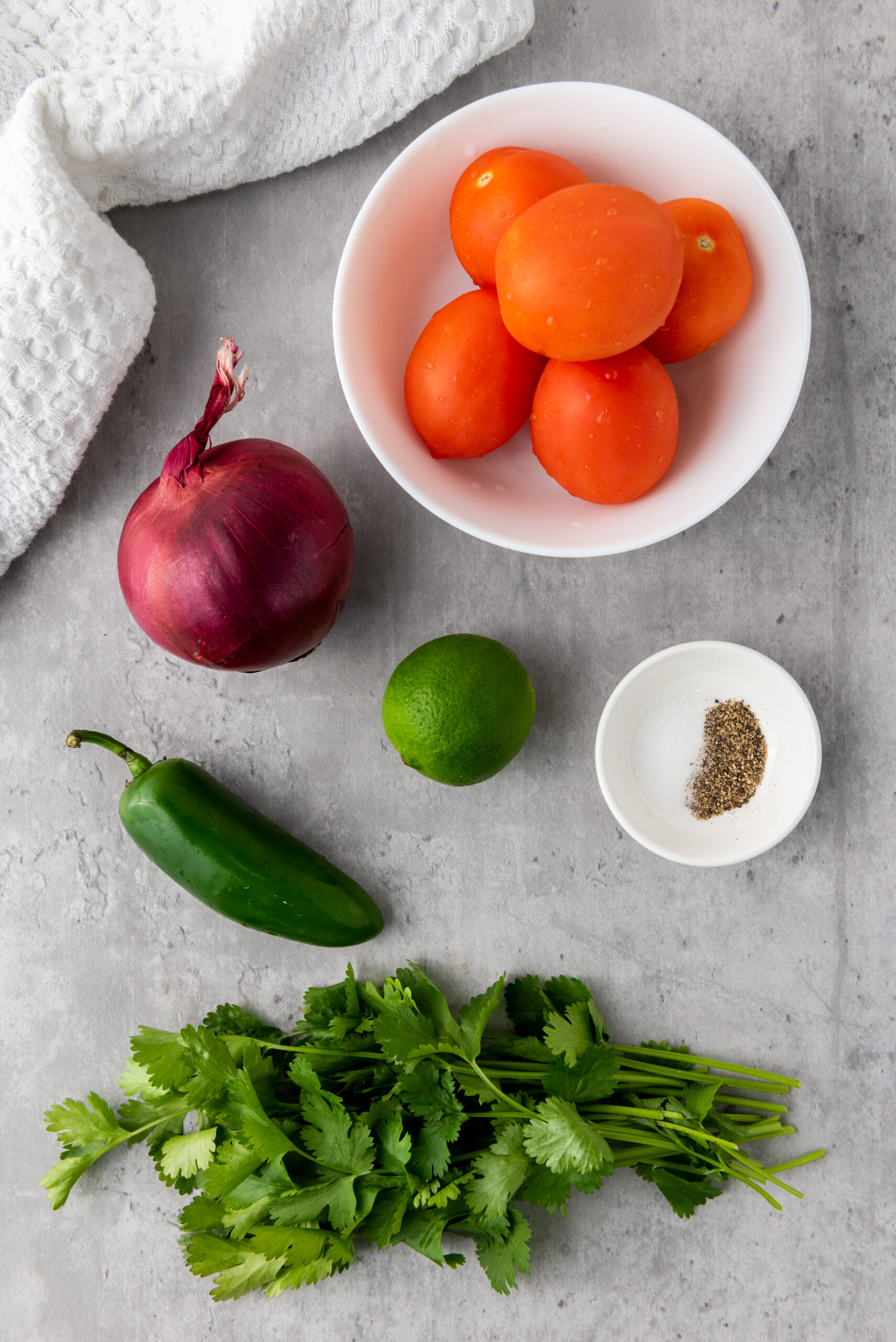
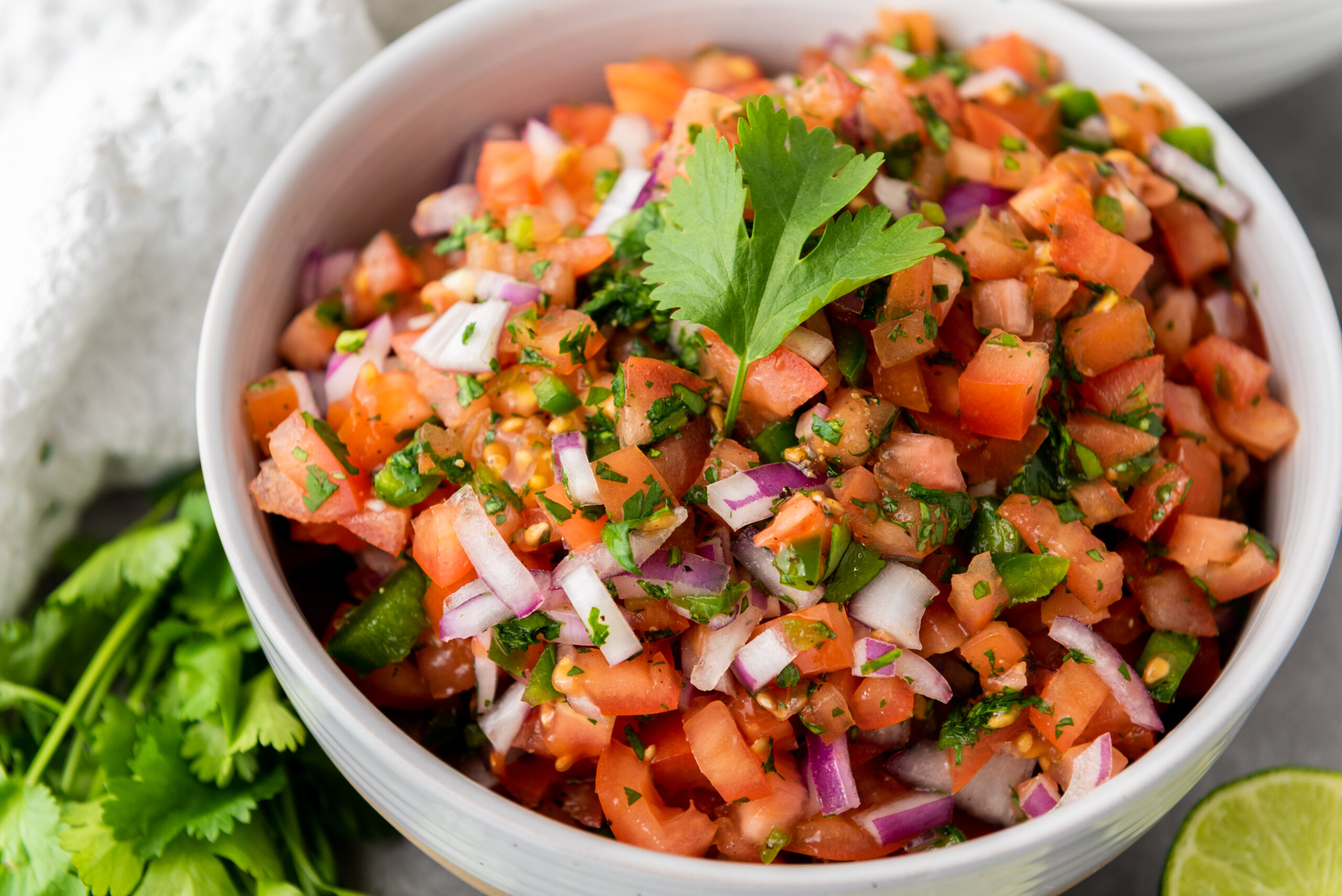
To make your own salsa, you need a few ingredients. Gather 5 Roma tomatoes, a half of a red onion, a jalapeno pepper, a lime, cilantro, and salt and pepper.

Dice the tomatoes, set aside. Dice the onion, set aside.
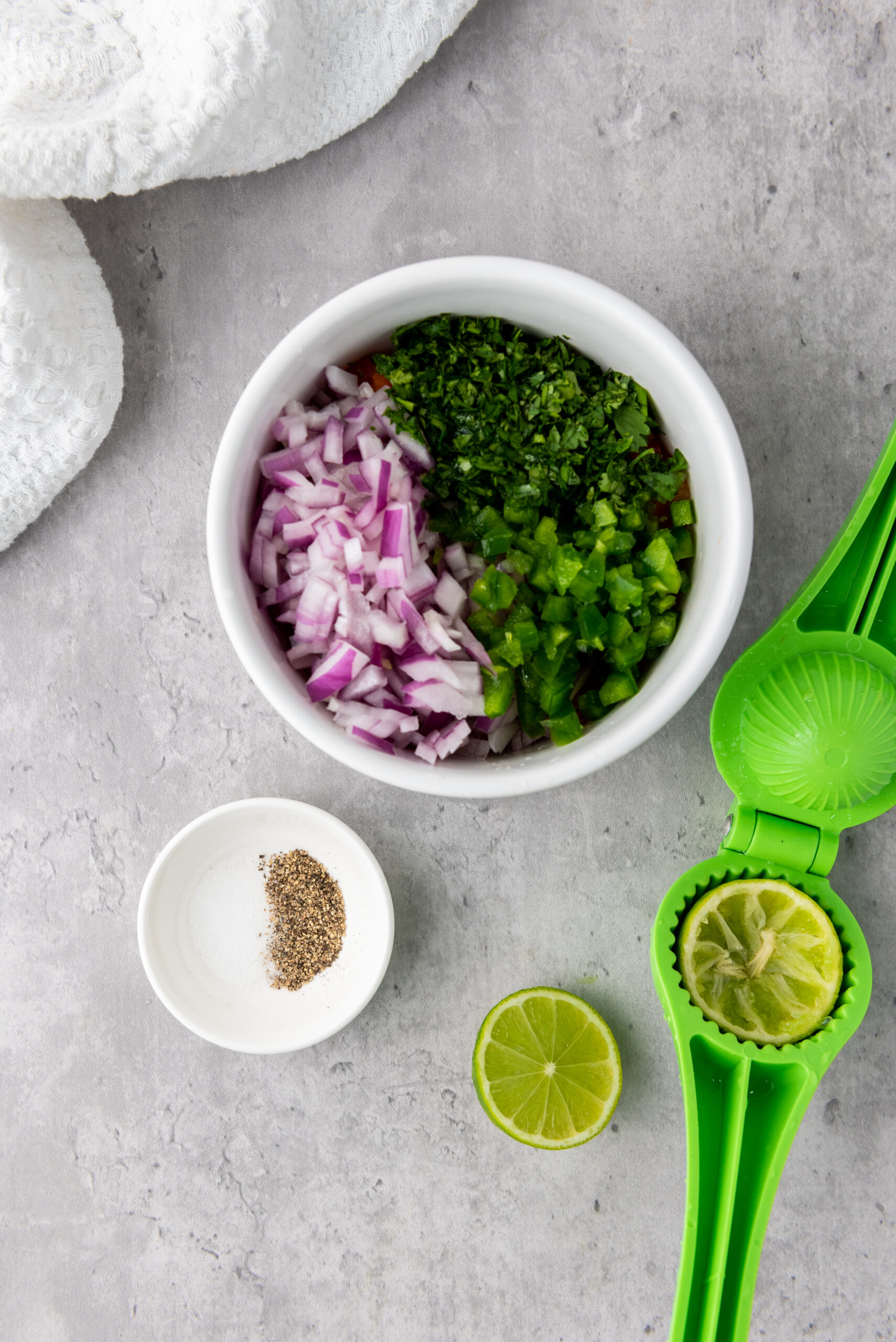
Cut the lime in half, set aside. Chop the jalapeno. Set aside. Chop the cilantro, set aside.
In a medium bowl, add the diced tomatoes, diced onion, chopped jalapeno, chopped cilantro, the juice of the lime and season with salt and pepper. Mix until well combined.
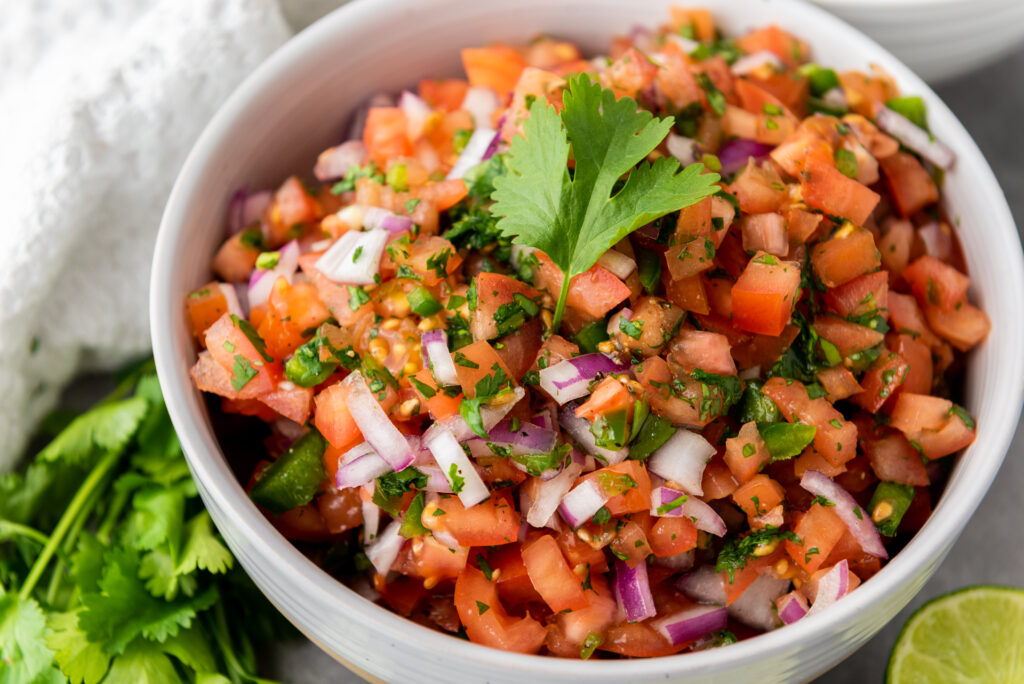
Serve with tortilla chips and enjoy! You might want to pair it with a basic guacamole recipe as well.
Easy Salsa Recipe With Cilantro
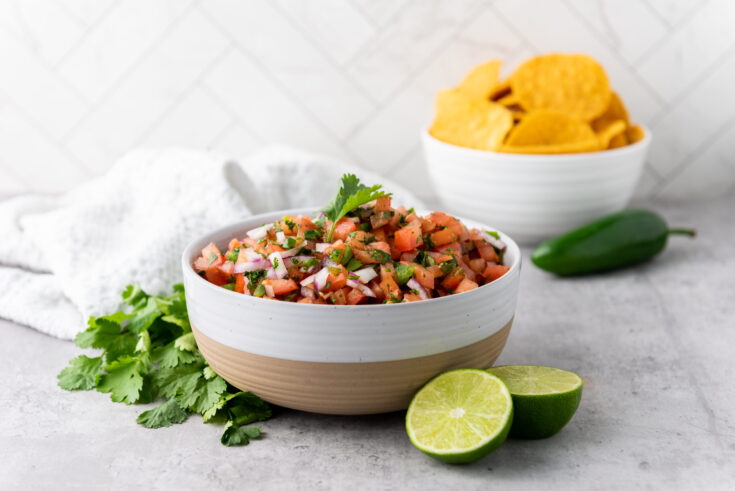
Make your very own fresh and healthy salsa!
Ingredients
- 5 Roma tomatoes
- ½ red onion
- 1 jalapeno pepper
- 1 lime, juiced
- 2 tbsp cilantro, chopped
- ¼ salt, or to taste
- ¼ black pepper, or to taste
Instructions
- Dice the tomatoes, set aside.
- Dice the onion, set aside.
- Cut the lime in half, set aside.
- Chop the jalapeno. Set aside.
- Chop the cilantro, set aside.
- In a medium bowl, add the diced tomatoes, diced onion, chopped jalapeno, chopped cilantro, the juice of the lime and season with salt and pepper. Mix until well combined.
- Serve with tortilla chips
Nutrition Information:
Yield:
4Serving Size:
1Amount Per Serving: Calories: 23Total Fat: 0gSaturated Fat: 0gTrans Fat: 0gUnsaturated Fat: 0gCholesterol: 0mgSodium: 41mgCarbohydrates: 5gFiber: 1gSugar: 3gProtein: 1g
Potential Health Risks of Salsa
While salsa is generally considered a healthy condiment, there are a few potential health risks to keep in mind.
High Sodium Content
One of the main concerns with salsa is its high sodium content. Many store-bought salsas contain a significant amount of added salt, which can contribute to high blood pressure and other health problems.
For example, just two tablespoons of some popular salsas can contain up to 200 milligrams of sodium, which is about 9% of the recommended daily limit. Therefore, it is important to read nutrition labels carefully and choose salsas with lower sodium content.
Food Allergies
Another risk associated with salsa is food allergies. Salsa typically contains a variety of ingredients, including tomatoes, onions, peppers, and cilantro, which can trigger allergic reactions in some people.
For example, some individuals may be allergic to nightshade vegetables like tomatoes or peppers, while others may be allergic to cilantro. Symptoms of a food allergy can range from mild to severe and may include hives, swelling, and difficulty breathing.
If you have a known food allergy or sensitivity, be sure to read ingredient labels carefully and avoid salsas that contain ingredients that you are allergic to. It is also a good idea to talk to a healthcare professional if you have any concerns about food allergies or sensitivities.
While some potential health risks are associated with salsa, it can still be a healthy addition to your diet when consumed in moderation and with attention to ingredient labels.
Salsa is a delicious and nutritious condiment that can be enjoyed in many ways. It is low in calories and packed with vitamins and minerals, making it a great addition to any diet.
In addition to being a tasty topping for your favorite foods, salsa offers several health benefits. It is hydrating, thanks to its high water content, and can help keep you feeling full and satisfied. Salsa is also a good source of antioxidants, which can help protect your body against damage from free radicals.
Some studies suggest that salsa may even have cancer-fighting properties, thanks to the lycopene found in tomatoes. Lycopene is a powerful antioxidant that may help reduce the risk of certain types of cancer.
While store-bought salsa can be high in sodium, it is easy to make your own at home using fresh ingredients. This allows you to control the amount of salt and other additives in your salsa, making it a healthier choice overall.
In conclusion, salsa is a tasty and nutritious condiment that can offer several health benefits when enjoyed in moderation. Whether you prefer it mild or spicy, homemade or store-bought, salsa is a versatile and flavorful addition to any meal.
As an Amazon Associate, I can earn from qualifying purchases.