Kids Meal Planning Tips: Simplify Your Family’s Mealtime
This site may contain links to affiliate websites, and we receive an affiliate commission for any purchases made by you on the affiliate website using such links.
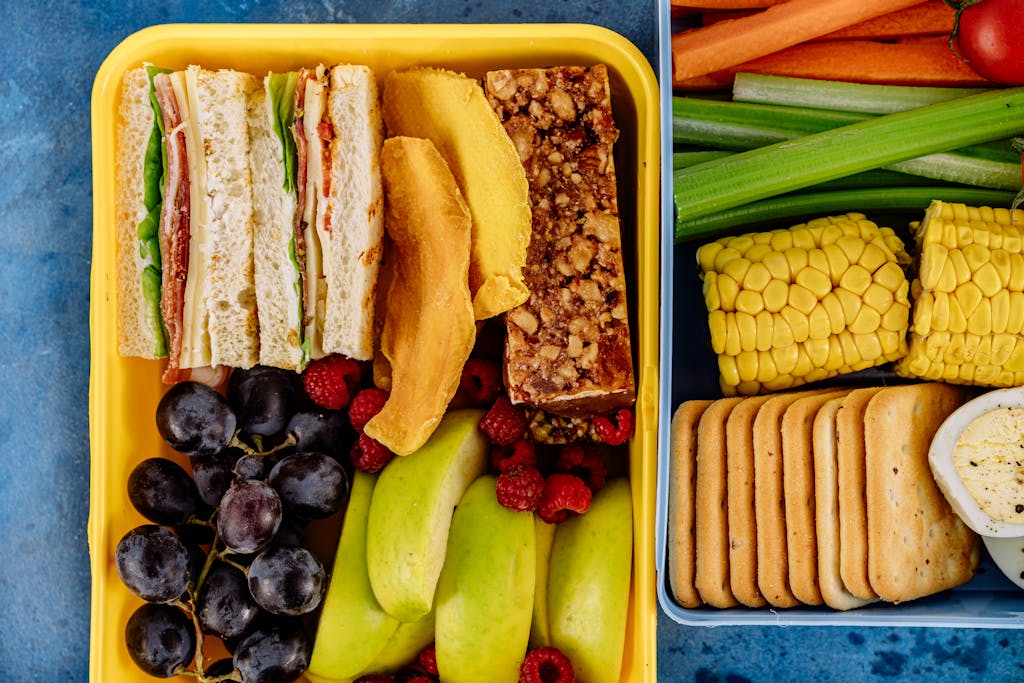
As a busy parent, meal planning can be a daunting task, especially when it comes to planning meals for your kids. It’s important to ensure that your child is getting the proper nutrition they need to grow and stay healthy. However, with so many options and opinions on what is healthy, it can be overwhelming to know where to start.
In this article, I will share some of my personal tips and tricks for meal planning for kids. These tips are based on my own experience as a parent and may not work for everyone, but hopefully, they will provide some inspiration and ideas to make meal planning a little easier. From involving your kids in the planning process to incorporating healthy snacks, I’ll cover a range of topics to help you create nutritious and delicious meals for your little ones.
Essentials of Kids Meal Planning
As a parent, I know how challenging it can be to plan meals for kids. However, with a little bit of effort and some smart planning, it is possible to provide your child with a healthy and balanced diet. Here are some essentials of kids meal planning that I have learned over the years:
Balanced Diet Basics
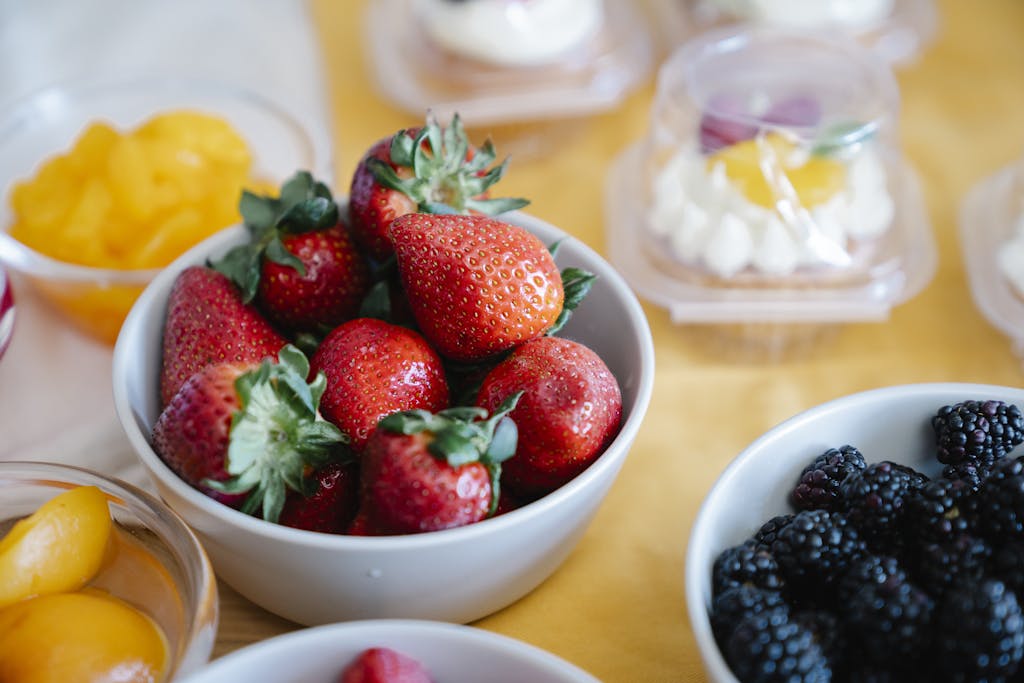
When planning meals for kids, it is essential to ensure that they are getting a balanced diet. This means including foods from all the major food groups, such as fruits, vegetables, grains, protein, and dairy. It is also important to limit the intake of unhealthy fats, salt, and added sugars. Here are some tips to help you plan a balanced diet for your child:
- Include at least one serving of fruits and vegetables in every meal
- Choose whole-grain bread, pasta, and cereals instead of refined grains
- Select lean protein sources such as chicken, fish, and beans
- Offer low-fat dairy products such as milk, cheese, and yogurt
Portion Sizes for Different Ages
Portion sizes are an essential aspect of kids meal planning. Children have different nutritional needs at different ages, and their portion sizes should reflect that. Here are some general guidelines for portion sizes based on age:
- Toddlers (1-3 years): One tablespoon of food for each year of age per serving
- Preschoolers (3-5 years): One-half cup of food for each year of age per serving
- School-age children (6-12 years): One cup of food for each year of age per serving
It is important to note that these are just general guidelines, and portion sizes may vary depending on your child’s individual needs. By keeping these essentials of kids meal planning in mind, you can ensure that your child is getting the nutrition they need to grow and thrive.
Creative and Fun Meal Ideas
As a parent, I know that coming up with creative and fun meal ideas for kids can be a challenge. However, with a little bit of planning and creativity, mealtime can be transformed into a fun and exciting experience for the whole family. Here are a few of my favorite meal ideas that are sure to please even the pickiest eaters.
Themed Dinners
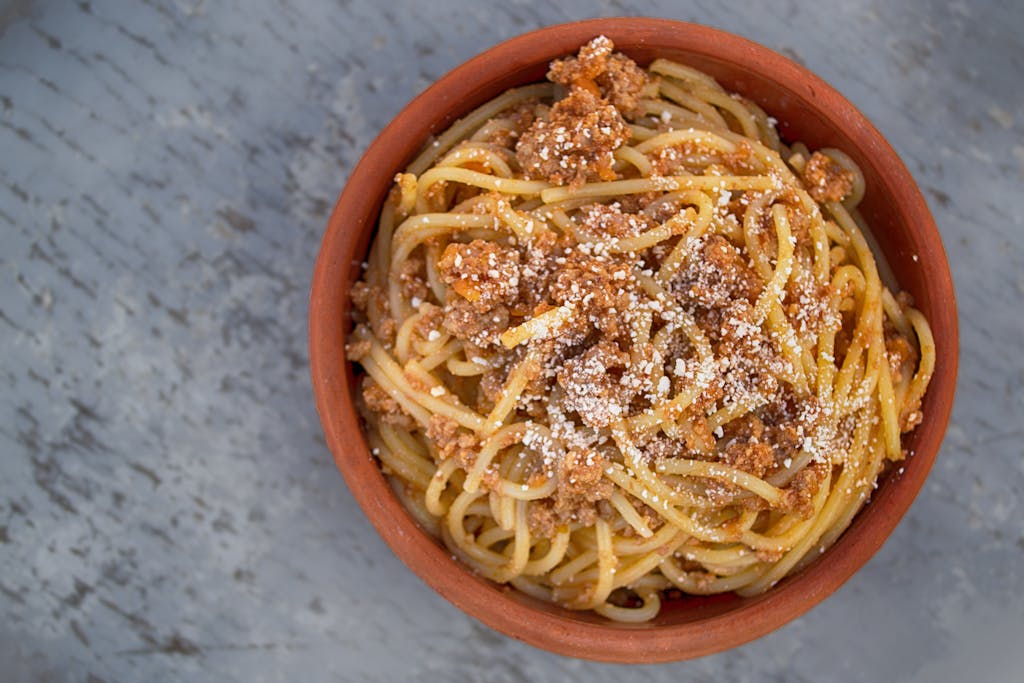
One way to make mealtime more exciting is by planning themed dinners. For example, you could have a Mexican night and serve tacos, burritos, and quesadillas. Or, you could have an Italian night and serve spaghetti and meatballs, garlic bread, and salad. Themed dinners are a great way to introduce kids to new foods and cultures, while also making mealtime more fun.
Interactive Food Stations
Another fun meal idea is to set up interactive food stations. For example, you could have a make-your-own pizza station with different toppings and sauces. Or, you could have a build-your-own taco station with different meats, vegetables, and cheeses. Interactive food stations allow kids to customize their meals and have fun while doing it.
Healthy Snacks and Treats
Finally, it’s important to remember that snacks and treats can also be healthy and fun. Instead of reaching for processed snacks, try making your healthy snacks and treats at home. For example, you could make fruit kabobs with yogurt dip, or homemade granola bars. Healthy snacks and treats are a great way to satisfy cravings while also providing important nutrients.
In conclusion, mealtime doesn’t have to be boring or stressful. By incorporating these creative and fun meal ideas into your meal planning, you can make mealtime a fun and exciting experience for the whole family.
Monday:
- Breakfast: Scrambled eggs with whole wheat toast and sliced avocado
- Lunch: Peanut butter and jelly sandwich on whole wheat bread, baby carrots, and apple slices
- Dinner: Baked chicken tenders, sweet potato fries, and steamed broccoli
Tuesday:
- Breakfast: Greek yogurt with mixed berries and granola
- Lunch: Turkey and cheese wrap on a whole wheat tortilla, cherry tomatoes, and a banana
- Dinner: Meatballs in marinara sauce over whole wheat spaghetti, mixed green salad, and garlic bread
Wednesday:
- Breakfast: Banana pancakes with a drizzle of honey and a side of turkey bacon
- Lunch: Hummus and veggie wrap on a whole wheat tortilla, cucumber slices, and grapes
- Dinner: Grilled cheese sandwich on whole wheat bread, tomato soup, and a side of green beans
Thursday:
- Breakfast: Oatmeal with diced apples, cinnamon, and a drizzle of honey
- Lunch: Air fryer chicken breast & potatoes, sliced bell peppers, and orange slices
- Dinner: Baked fish with a side of brown rice and mixed vegetables
Friday:
- Breakfast: Whole grain waffles with fresh berries and a dollop of whipped cream
- Lunch: Ham and cheese sandwich on whole wheat bread, cherry tomatoes, and sliced mango
- Dinner: Homemade pizza with whole wheat crust, sauce, cheese, and toppings of choice (e.g. mushrooms, bell peppers, onions, etc.)
Remember to adjust portion sizes based on the child’s age and activity level. Also, be sure to include healthy snacks throughout the day such as sliced fruit, raw veggies with hummus, or a handful of nuts. And don’t forget to encourage your child to drink plenty of water throughout the day!


