How to Grow Eggplant in Florida: Tips for a Bountiful Sunshine State Harvest
This site may contain links to affiliate websites, and we receive an affiliate commission for any purchases made by you on the affiliate website using such links.
Including a delicious Grilled Eggplant with Garlic Dill Yogurt Sauce Recipe
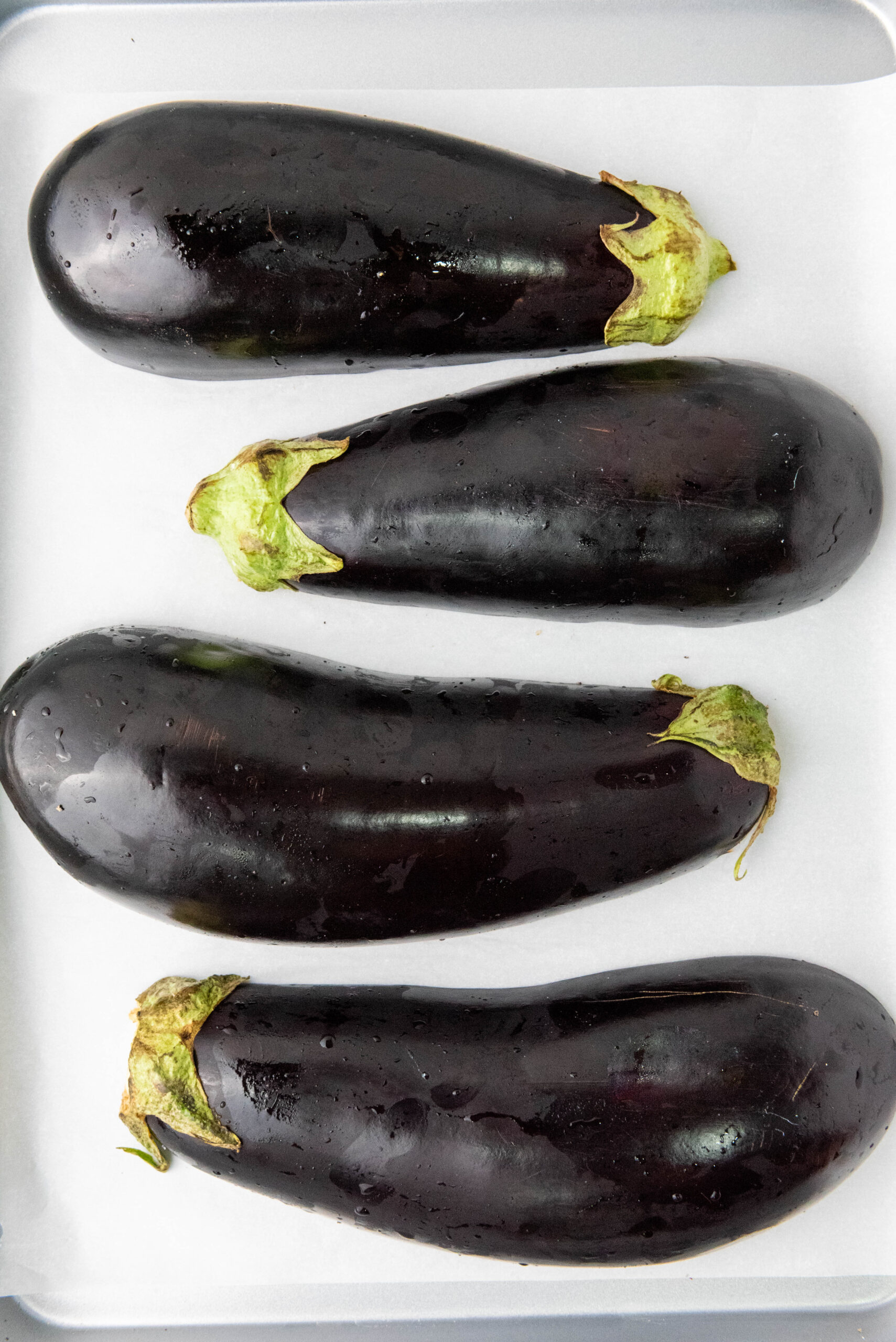
If you want to grow eggplant in Florida, it can be a rewarding experience for gardeners. The warm climate and long growing season make it an ideal place to cultivate this versatile vegetable. With proper care and attention, you can harvest delicious eggplants from your Florida garden in just 60-70 days after planting.
I love growing eggplants because they’re tasty and beautiful plants with glossy purple fruits and large leaves. In Florida, I’ve successfully planted them in early spring or late summer to avoid the intense heat of midsummer.
Eggplants thrive in full sun and well-draining soil rich in organic matter. I give them plenty of space – about 2-3 feet between plants – as they can grow quite large. Regular watering and fertilizing are key to producing healthy, abundant fruits. With these tips in mind, you’ll be well on your way to enjoying homegrown eggplants in the Sunshine State.
Getting Started with Eggplant in Florida
Growing eggplants in Florida can be rewarding with the right approach. I’ll share tips on selecting suitable varieties and navigating our unique climate to help you succeed.
Choosing the Right Variety
I’ve found that some eggplant varieties thrive better in Florida’s conditions. ‘Florida Market’ is a reliable choice, producing large, oval fruits that handle our heat well. I recommend ‘Patio Baby‘ as a compact option for containers or small gardens.
‘Black Beauty‘ is another favorite of mine, yielding glossy, dark purple fruits. If you’re looking for something different, try ‘Ping Tung Long,’ a slender Asian variety that’s less bitter and great for grilling.
Remember to choose disease-resistant varieties when possible. This can make a big difference in our humid climate.
Understanding Florida’s Climate
Florida’s warm, humid weather presents opportunities and challenges for eggplant growers. I’ve learned that eggplants love our heat, but proper care is crucial.
Our long growing season allows for extended harvests. I typically plant eggplants in early spring, after the last frost. In South Florida, you can even grow them year-round.
High humidity can increase the risk of fungal diseases. I combat this by spacing plants properly and watering at the base to keep leaves dry.
Our intense sun can scorch plants, so I provide afternoon shade in the hottest months. Mulching helps retain moisture and regulate soil temperature.
Cultivation Practices
Growing eggplants in Florida requires specific techniques to ensure a bountiful harvest. I’ll share the key practices I’ve found successful for cultivating healthy eggplants in our unique climate.
Soil Preparation and Fertilization
I always start by testing my soil pH, aiming for a range between 5.5 and 6.5. If needed, I adjust it with lime or sulfur. Eggplants thrive in well-draining, fertile soil rich in organic matter.
I incorporate compost or aged manure into the soil before planting, which improves fertility and structure. I use a balanced 10-10-10 formula for fertilization, applying it at planting time and then every 4-6 weeks.
It’s crucial to avoid over-fertilizing, which can lead to lush foliage but poor fruit production. I’ve found that about 2-3 pounds of fertilizer per 100 square feet is usually sufficient.
Planting and Spacing Guidelines
I plant my eggplants after the last frost date when soil temperatures reach at least 60°F. In most parts of Florida, I can plant from February to August.
Spacing is key for good air circulation and disease prevention. I place my plants 18-24 inches apart in rows 30-36 inches apart.
I dig holes slightly larger than the root ball for transplants and set the plants at the same depth they were in their containers. I water them thoroughly after planting to help them establish.
Watering and Mulching Techniques
Consistent moisture is crucial for eggplants. I water deeply once or twice weekly, providing about 1-1.5 inches. During dry spells or extreme heat, I increase watering frequency.
Mulching is a game-changer in Florida’s climate. I apply a 2-3 inch layer of organic mulch around my plants, keeping it away from the stems. This helps retain moisture, suppress weeds, and regulate soil temperature.
I prefer using straw, grass clippings, or shredded leaves as mulch. These materials break down over time, improving soil quality.
Pest and Disease Management
Pests and diseases can challenge eggplants in Florida. I regularly inspect my plants for signs of trouble.
I use insecticidal soaps or neem oil for pests like flea beetles and aphids. These organic options are effective and safe when used correctly.
To prevent diseases, I practice crop rotation and avoid overhead watering. If I spot signs of blight or wilt, I remove affected parts promptly to prevent spread.
I’ve found that companion planting with marigolds or herbs like basil can help naturally deter some pests. It’s a simple strategy that adds beauty to my garden while protecting my eggplants.
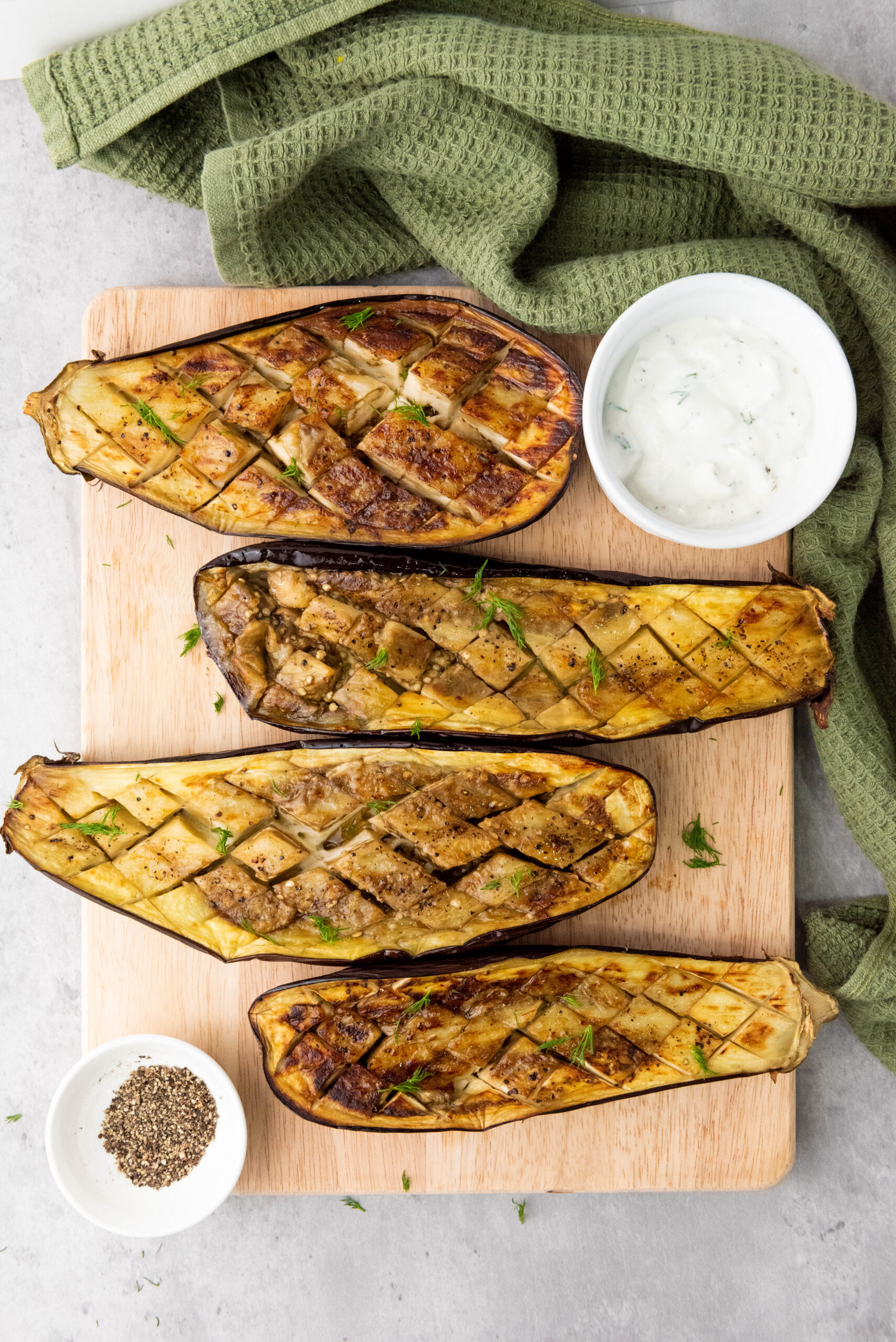
Grilled Eggplant with Garlic Dill Yogurt Sauce
Prep Time: 10 minutes
Cook Time: 40 minutes
Servings: 4
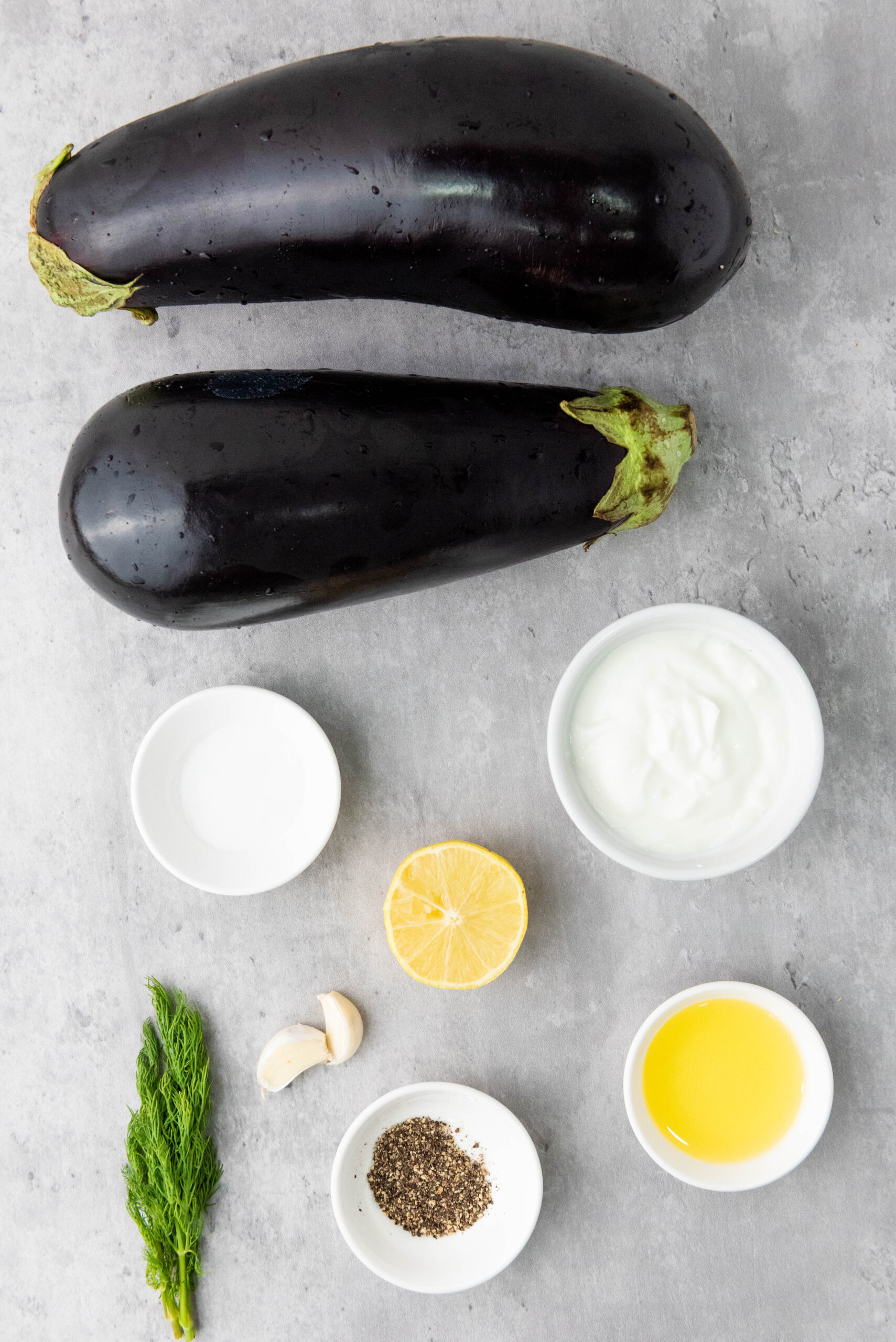
For the Eggplant:
- 2 small eggplants, halved
- Olive oil for drizzling
- Salt and pepper to taste
For the Garlic Dill Yogurt Sauce:
- ½ cup plain yogurt
- 1 to 2 garlic cloves, minced
- ½ lemon, juiced
- Fresh dill, chopped (to taste)
- Salt and pepper to taste
Instructions:
- Preheat your oven to 400°F (200°C).
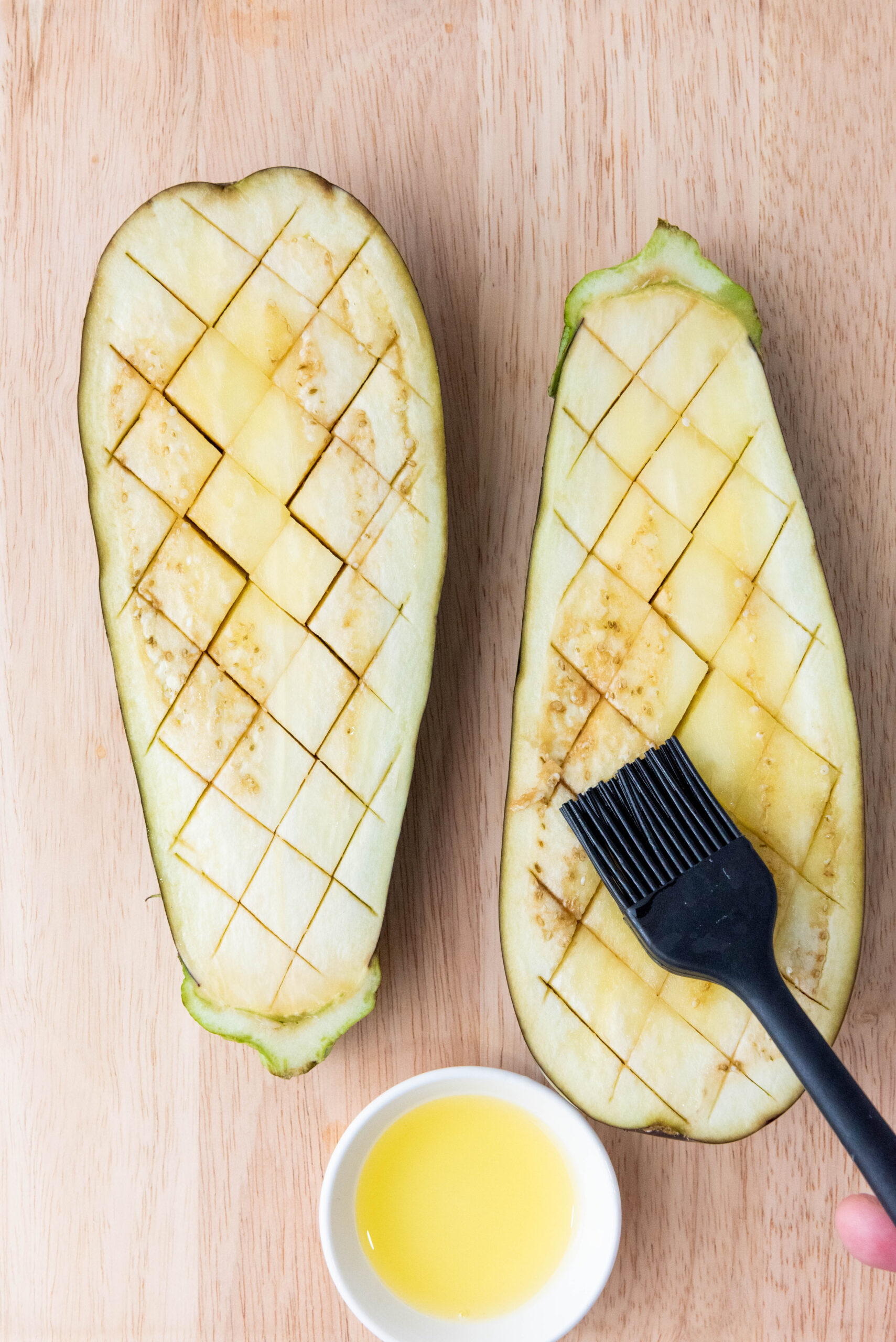
- Wash and dry the eggplants, then halve them. Score the flesh in a diamond pattern.
- Drizzle olive oil over the eggplants and season with salt and pepper.
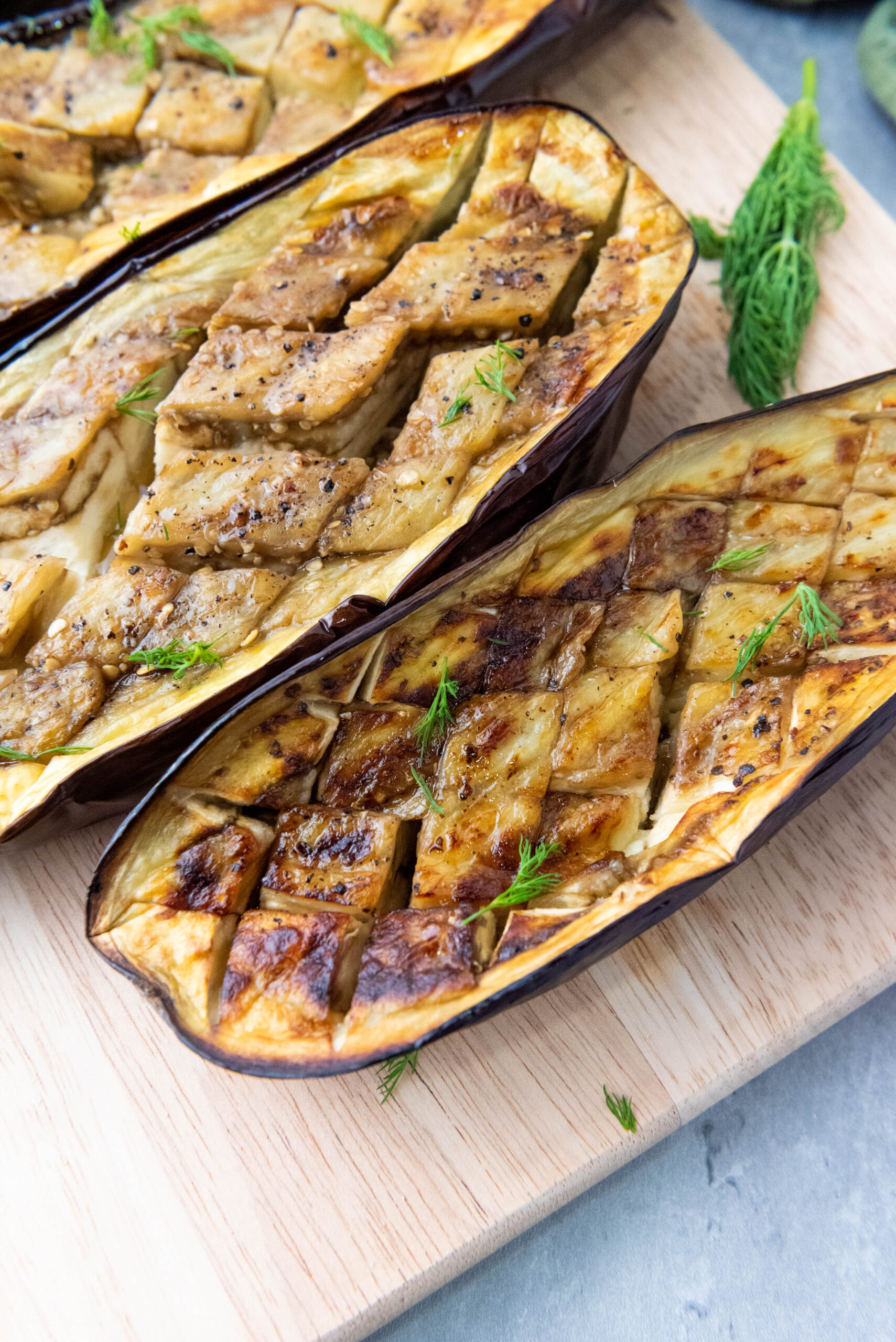
- Place the eggplants, open side down, on a baking sheet and roast for 35-40 minutes until tender and caramelized.
- While the eggplants are roasting, prepare the sauce. Combine the yogurt, minced garlic, lemon juice, chopped dill, and season with salt and pepper in a bowl.
- Adjust the seasoning in the sauce to taste.
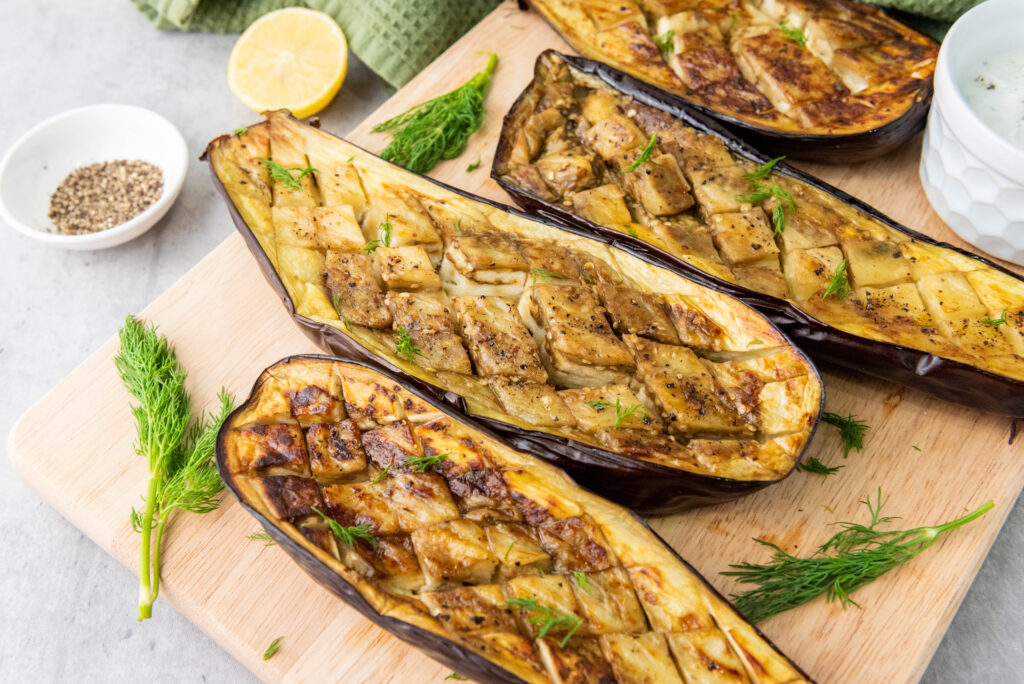
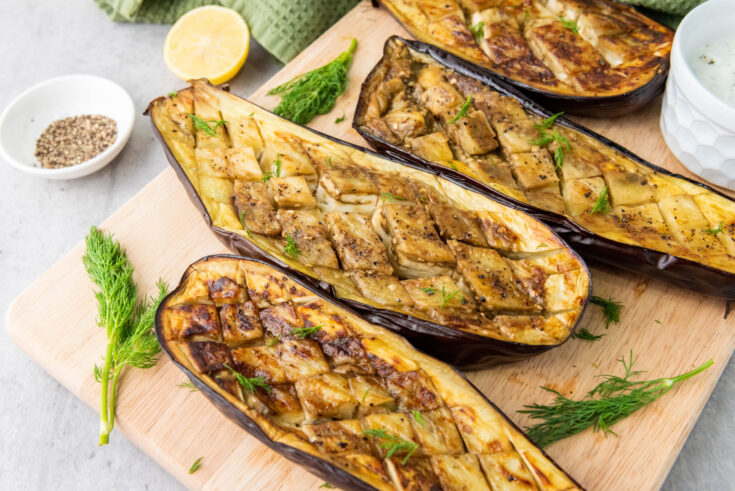
- Serve the roasted eggplants with the garlic dill yogurt sauce on top or side, garnished with additional dill if desired.
Grilled Eggplant with Garlic Dill Yogurt Sauce
Ingredients
For the Eggplant:
- 2 small eggplants, halved
- Olive oil for drizzling
- Salt and pepper to taste
For the Garlic Dill Yogurt Sauce:
- ½ cup plain yogurt
- 1 to 2 garlic cloves, minced
- ½ lemon, juiced
- Fresh dill, chopped (to taste)
- Salt and pepper to taste
Instructions
- Preheat your oven to 400°F (200°C).
- Wash and dry the eggplants, then halve them. Score the flesh in a diamond pattern.
- Drizzle olive oil over the eggplants and season with salt and pepper.
- Place the eggplants, open side down, on a baking sheet and roast for 35-40 minutes until tender and caramelized.
- While the eggplants are roasting, prepare the sauce. Combine the yogurt, minced garlic, lemon juice, chopped dill, and season with salt and pepper in a bowl.
- Adjust the seasoning in the sauce to taste.
- Serve the roasted eggplants with the garlic dill yogurt sauce on top or side, garnished with additional dill if desired.